
Denri Runway 2026: Live Fashion, Structure & Identity You Don’t Want to Miss Out On
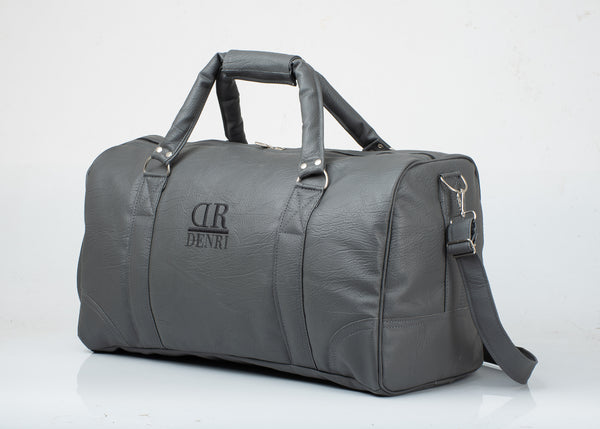
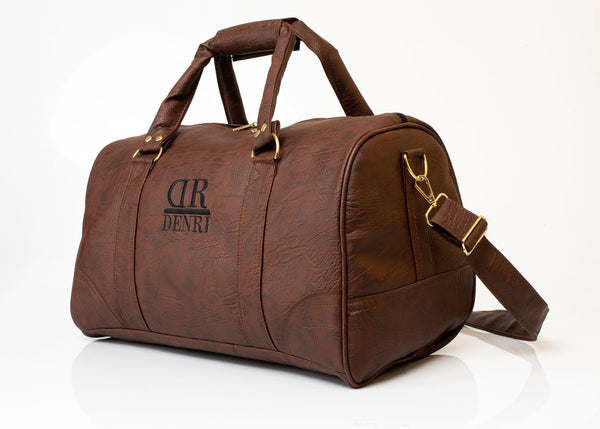
The significance of the Denri Africa Runway 2026 becomes clearer when the runway is viewed not as an isolated stage, but as an extension of the environments in which Denri products are already used. The official event story places considerable emphasis on movement, describing a runway designed around the way people actually move through their days rather than around fashion as something distant from ordinary life. Every ticket purchase includes a free bag, reinforcing this connection between the event and practical value. That distinction matters because it changes the role of the bag within the presentation. The bag is not simply an accessory completing a look. It becomes part of the movement, identity, and practical rhythm that the look is intended to communicate. The runway therefore provides a heightened setting in which familiar questions about carrying, transitioning, organizing, and presenting oneself can be expressed visually. What happens on the stage is connected to what happens when the audience leaves it and returns to work, travel, social spaces, and everyday routines.
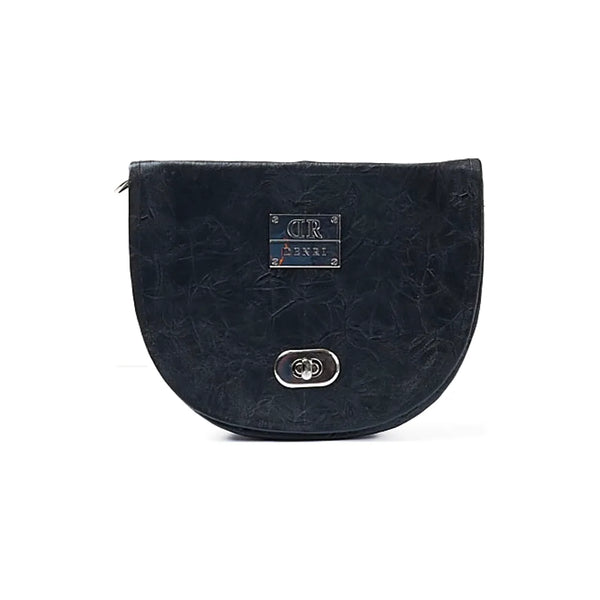
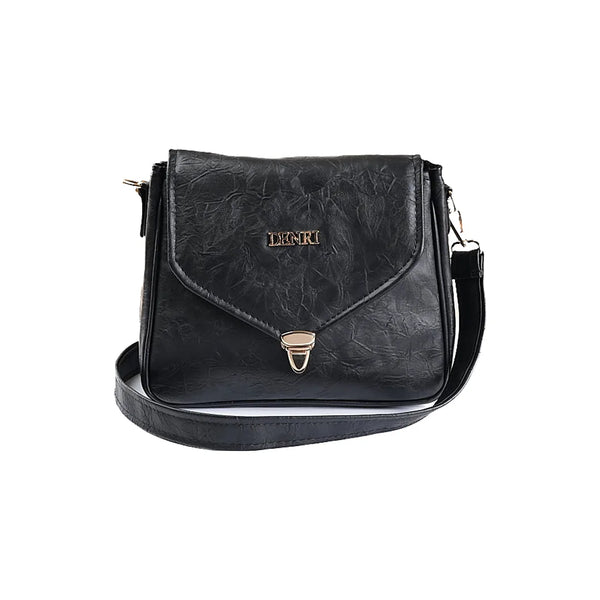
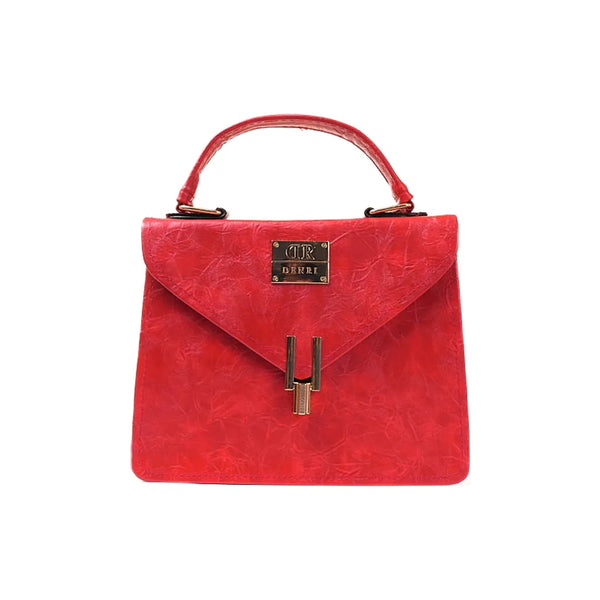
This approach also explains why the event's product references are grounded in versatility rather than spectacle alone. The official 2026 article identifies the Denri Sierra Handbag and Denri Oval Handbag as examples of pieces that balance presence with practicality across different environments. The point is not simply that these bags can appear in different settings, but that their relevance survives the transition between those settings. A meeting, a weekend outing, and an evening event require different forms of presence, yet the underlying need for a considered carry remains. The runway makes that adaptability visible by placing everyday design into a more expressive environment. Instead of separating fashion from function, the presentation allows the two ideas to occupy the same space. That connection gives the event a more grounded identity because the audience can recognize the relationship between what is being shown and the lives in which those pieces ultimately belong.
When Structure Becomes Part of the Story
The 2026 presentation also introduces a more defined visual direction through clean lines, intentional structure, and materials that are allowed to hold attention without unnecessary distraction. These details are important because they reveal how the event is being framed before the audience even considers individual pieces. The emphasis is not described as an accumulation of visual excess. Instead, the official account describes an approach in which each piece has room to stand out and the overall presentation remains connected to the audience. That restraint gives structure a narrative purpose. It allows the form of a bag to communicate without being buried beneath the surrounding production. In this setting, design becomes easier to read because the presentation gives individual choices enough space to register. The runway consequently becomes a place where construction, silhouette, and purpose can be understood as parts of a larger design language rather than as isolated visual effects.
That direction also connects directly to the wider conversation around collaboration in Kenyan fashion. Denri's recent discussion of collaboration describes the fashion ecosystem as something built through the combined work of designers, photographers, artisans, stylists, manufacturers, digital creators, entrepreneurs, production teams, models, makeup artists, lighting specialists, venue managers, musicians, and marketing professionals. A runway may appear to the audience as one finished experience, but its existence depends on many different forms of expertise meeting at the right point. This makes structure more than a visual quality. It also becomes an organizational quality, because the coherence of the final experience depends on separate creative and technical contributions working toward a shared result. The runway therefore represents both the finished expression and the collaborative process that makes such expression possible.
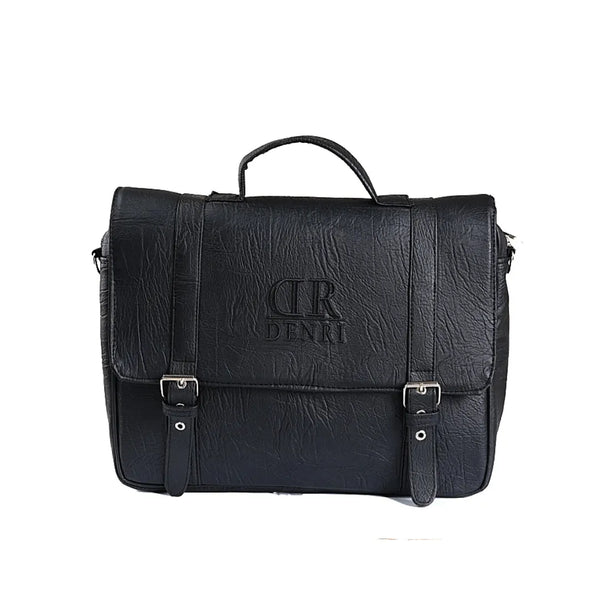
The products associated with this broader creative ecosystem demonstrate the same relationship between practical requirements and considered design. The Denri Jade Briefcase is presented in the collaboration article in relation to the practical needs of modern careers, while the Denri Jamela Laptop Handbag is connected to professional lives that require organization alongside refined presentation. These examples matter because they show how product development can emerge from understanding actual routines rather than simply responding to visual fashion movements. The Denri Claire Handbag provides another example of everyday versatility shaped around the experiences of the communities the products serve. This gives the runway a stronger foundation because the objects being elevated on stage remain connected to practical use outside the event.
Nairobi's Creative Energy Behind the Experience
The relationship between the runway and Nairobi is equally important because the city's creative ecosystem provides a setting in which different disciplines increasingly intersect. Denri's collaboration article specifically identifies Westlands, Kilimani, Karen, and the CBD as parts of Nairobi's creative landscape, describing a wider environment in which fashion studios, creative agencies, and independent businesses contribute to the city's creative activity. This matters to the runway because fashion does not develop in isolation from the city surrounding it. Ideas move between businesses, creators, production environments, customers, and audiences. A runway can therefore become a concentrated expression of conversations that are already taking place across the creative economy.
That interconnectedness becomes particularly visible when considering the number of disciplines required to transform an idea into a public fashion experience. Models bring movement to the presentation, photographers determine how moments are preserved, lighting changes how pieces are perceived, production teams coordinate the physical environment, and digital creators extend the experience into spaces beyond the venue. None of these contributions can be treated as interchangeable. Each affects the way the audience receives the finished work. The collaboration surrounding the runway consequently becomes part of the story itself, demonstrating that a recognizable fashion identity can emerge from relationships between different forms of expertise. This is consistent with the wider Denri position that successful collections and experiences are shaped through collaboration rather than individual effort alone.
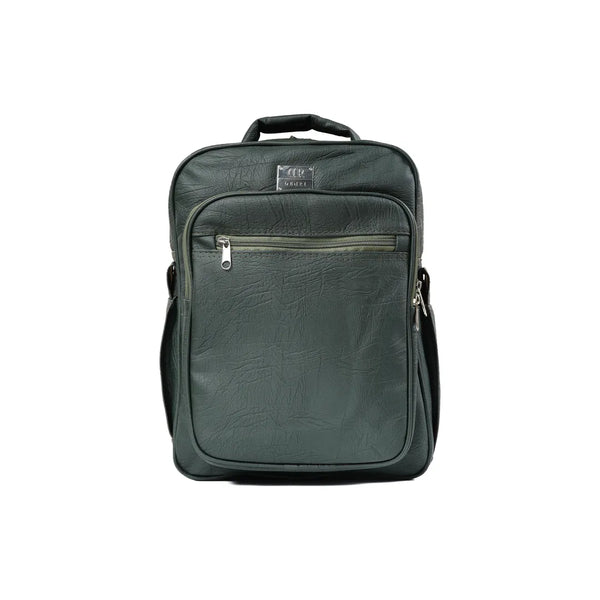
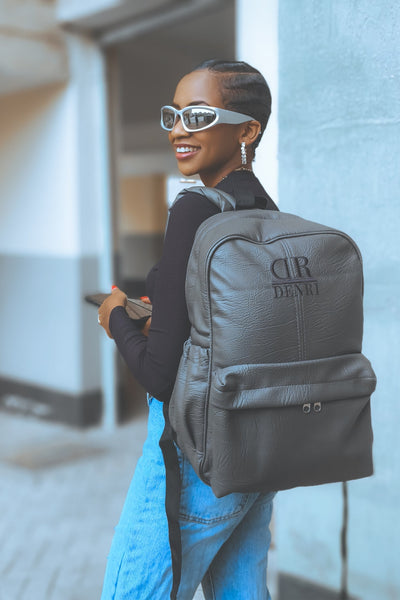
Within that environment, the Denri Cairo Backpack provides an example of how everyday mobility can sit comfortably within a conversation about refined design. The collaboration article uses it to illustrate how thoughtful design can adapt to changing urban lifestyles without sacrificing elegance. The significance lies in the relationship between movement and presentation. A product intended for an active urban routine does not have to disappear into pure utility. It can retain a recognizable visual identity while responding to the practical demands of people whose days move between different spaces. That same principle supports the runway's broader emphasis on pieces that can transition beyond the stage.
A Second Edition With a Clearer Voice
The 2026 runway is explicitly positioned as a development from the 2025 edition rather than a completely disconnected event. The earlier runway is described as having brought culture, design, and community together while marking a decade of growth for Denri. The 2026 edition takes that established foundation and gives it a more precise direction. This distinction is important because progression does not always require abandoning what came before. Sometimes it means understanding what already works and expressing it with greater clarity. The official 2026 article describes exactly this kind of refinement, emphasizing sharper execution and a stronger focus on defined storytelling.
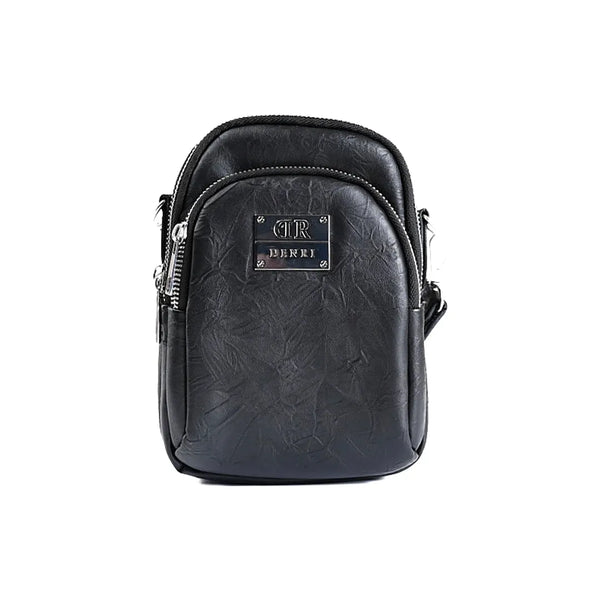
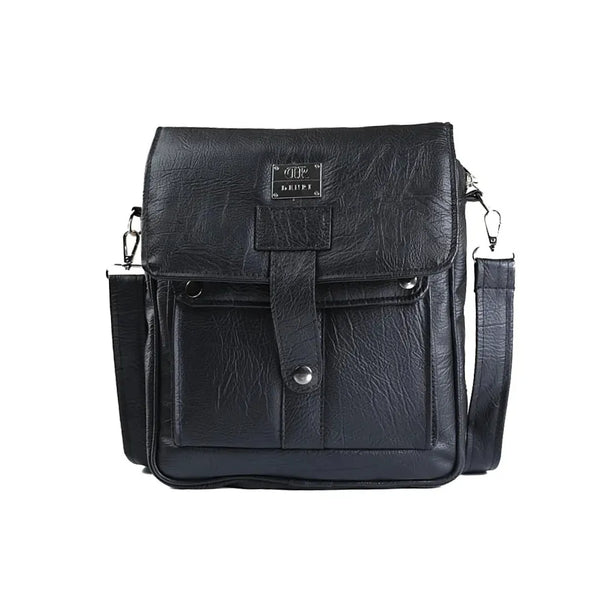
The evolution can also be seen through the products used as examples within the event narrative. The Neo Man Bag is referenced as a structured design, while the Single Lunch Bag represents a functional option, allowing both to sit within the same broader conversation about form and purpose. Their inclusion reinforces the idea that the runway is not being framed around a single type of wearer or a single form of use. Instead, the presentation is intended to show how different products can participate in the same design philosophy. The connection between these examples is not that they serve identical purposes. It is that each can express the relationship between what a product looks like and what it is intended to do.
This is where the second edition gains its own identity. The event does not need to reject the previous year's foundation in order to appear new. Its distinction comes from greater precision in how Denri's existing ideas are presented. The emphasis on clean lines, intentional structure, movement, and everyday relevance gives the 2026 event a defined narrative that can be understood through both the runway and the products associated with it. The result is an event positioned around refinement rather than novelty for its own sake. That makes the upcoming night part of an ongoing design conversation rather than a one-time interruption in the brand's story.
Where Collaboration Becomes Visible
The deeper value of collaboration is that much of it normally remains invisible. An audience may see a finished bag, a completed look, or a coordinated runway sequence without seeing the discussions, decisions, revisions, production work, and specialist contributions behind that result. Denri's recent writing deliberately brings that hidden network into view by presenting collaboration as a force that strengthens Kenyan fashion and supports the wider creative economy. In that context, the runway becomes more than the point where a product is displayed. It becomes a moment when many separate contributions become visible through one shared experience.
The products themselves can therefore be read as evidence of that collaborative philosophy. The Denri Aurora Handbag is discussed in relation to elegance and everyday functionality for professionals navigating Nairobi's changing work culture. The Denri Cleo Handbag similarly reflects how customer lifestyles can influence creative decisions. The Denri Aria Sling Pro extends that idea into routines requiring flexibility between meetings, travel, and social occasions. Each example points toward the same principle: useful design develops when products remain connected to the people who eventually carry them.
The Audience Is Part of the Experience
A runway depends on the relationship between what happens on stage and what happens among the people watching. The official 2026 account places particular emphasis on atmosphere, describing anticipation, collective attention, changing energy, and the developing connection between audience and runway. These details matter because they distinguish an event experienced in person from one encountered only through photographs or video. A recorded image can preserve a look, but it cannot reproduce the full atmosphere created by people sharing the same space at the same time. The runway therefore gains part of its meaning from physical presence. The audience contributes attention, reaction, interpretation, and energy to the event as it unfolds.
The Denri Luna Man Bag is used in the official event article to illustrate how a functional item can become a defining part of a complete look without losing its practicality. That example reinforces the audience-facing nature of the runway because it invites viewers to reconsider familiar categories. A bag associated with everyday use can become part of a more expressive presentation while retaining the reason it exists in the first place. The transformation is therefore not about abandoning function. It is about making function visible within a different setting. This is one of the ways the runway can change how an audience looks at products they may otherwise encounter only in ordinary situations.
What the Runway Represents for Kenyan Design
The broader significance of the event sits within a Kenyan creative economy where collaboration is increasingly important to the development of products and experiences. Denri's discussion of the sector connects fashion with technology, entrepreneurship, media, tourism, culture, manufacturing, retail, and digital creativity. These intersections matter because they show that contemporary fashion is not sustained by one discipline working alone. It is supported by networks in which different specialists contribute knowledge, audiences, production capacity, creative direction, and technical expertise. A runway can bring those relationships into a single visible moment while also creating opportunities for future connections.
This is why the Denri Africa Runway 2026 carries significance beyond the individual pieces shown during the evening. Its stated direction connects design with movement and identity, while its wider context connects the event to collaboration within Kenya's creative economy. The two ideas reinforce one another. Products designed around real lives require an understanding of those lives, and creating a public experience around those products requires different forms of expertise to work together. The runway becomes the point where those strands meet. It gives design a stage without removing it from the people, routines, and creative relationships that give it meaning.
The date and setting give that convergence a definite point in time. On 29 August 2026, the second edition of the Denri Africa Runway is scheduled for The Edge Convention Centre, carrying forward the foundation established by the 2025 event while presenting a more defined expression of Denri's current direction. The official event material describes the occasion as louder and bolder in spirit, while the detailed runway article emphasizes sharper execution, clean lines, intentional structure, and the connection between stage presentation and everyday life. Those descriptions establish the event's character without requiring speculation about what has not been officially stated.
From Catwalk to Closet
The phrase "catwalk to closet" captures one of the most important ideas within Denri's wider runway narrative. The catwalk is temporary, but the products are not intended to remain temporary. The earlier Denri runway discussion makes this distinction explicit by describing the runway as only the beginning of a product's journey. Once the lights disappear, the bag returns to the environments where its practical value matters most. It may become part of a professional routine, accompany a student between different responsibilities, support travel, or simply become the familiar item someone reaches for without thinking. The transition from stage to street is therefore not a reduction in importance. It is the point at which the design proves its relevance beyond the performance.
The Denri laptop bag provides a particularly clear example within that earlier narrative. On a runway, its clean professional character can contribute to a carefully constructed look. Outside the runway, the same category of bag has to exist within the much less controlled conditions of everyday movement. The earlier Denri article connects that reality with Nairobi professionals moving through matatus, offices, and meetings, demonstrating how a product can occupy both the fashion environment and the practical environment without needing to become a different object in each setting. The significance lies in continuity. What looks considered on stage remains useful when the wearer returns to ordinary routines.
The same principle extends to smaller forms of carry. A sling bag may appear as one component within a runway look, but its everyday relevance comes from the freedom it gives the wearer to move while keeping essentials close. The earlier Denri runway discussion connects this type of design with students and young people moving between lectures, work, and social life in Kampala. That example matters to the Kenyan event because it demonstrates the broader East African relevance of Denri's design philosophy. A runway can begin in Nairobi, but the question of how people carry their lives does not stop at one city's boundaries. The design conversation becomes larger when products remain grounded in experiences shared across different urban environments.
A Kenyan Voice Within a Wider Creative Economy
The 2026 runway also sits within a larger conversation about Kenyan fashion and the importance of collaboration. Denri's discussion of collaboration argues that the strength of contemporary Kenyan fashion does not come from isolated creative effort. It develops through relationships between different specialists and industries. Designers contribute creative direction, artisans contribute craft, photographers shape visual documentation, stylists help construct the final language of a presentation, and production teams transform ideas into physical experiences. Digital creators, marketers, models, lighting teams, venue professionals, and other contributors add further layers to the final result. What an audience experiences as one coherent runway is therefore the visible outcome of many different forms of work meeting successfully.
That understanding changes how the event itself can be read. The runway is not merely a place where Denri presents its own work. It is also a place where collaboration becomes visible through the quality and coherence of the finished experience. The event provides a concentrated setting in which different creative disciplines can contribute to a common expression. This is particularly relevant to Kenyan fashion because collaboration creates opportunities for knowledge, visibility, production capability, and creative ideas to move between people and businesses. The runway becomes one point within that larger network rather than the entire network itself. Its importance lies partly in its ability to bring those relationships into one shared public moment.
The products connected to that conversation reinforce why collaboration needs to remain grounded in actual use. The Denri Jade Briefcase reflects the relationship between structured professional requirements and considered design. The Denri Jamela Laptop Handbag addresses another version of that relationship by bringing organization and professional presentation together. The Denri Claire Handbag demonstrates how everyday versatility can remain central to a refined product identity. These products are useful within the runway conversation because they show that design does not have to choose between visual character and practical relevance. The stronger proposition is the one in which both are considered from the beginning.
29 August and the Night Ahead
The official event information places the Denri Africa Runway 2026 on 29 August 2026 at The Edge Convention Centre. Beyond those confirmed details, the official material is careful to describe the character of the experience rather than speculate about individual moments that have not yet happened. What can be established is that this is the second edition of the runway, that it builds on the previous year's foundation, and that its stated direction places greater emphasis on defined storytelling, clean lines, intentional structure, movement, identity, and the relationship between runway presentation and everyday life.
You may also like
View All
Beyond the Bag: How Denri Connects Customer Service with Better Bag Choices
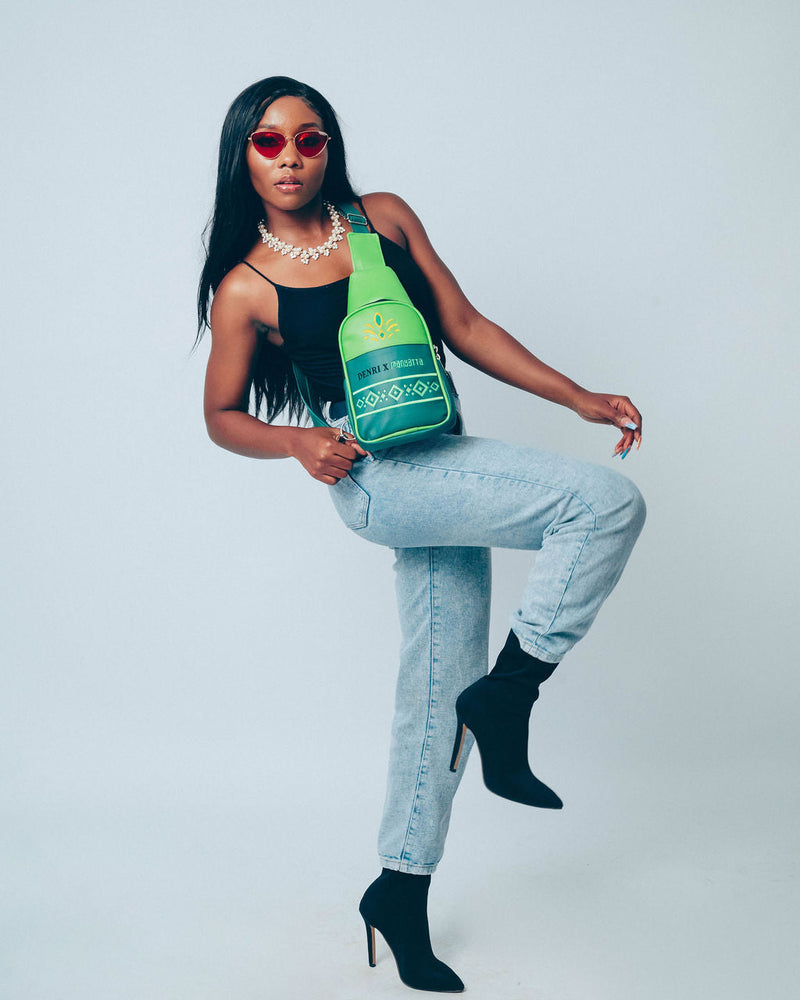
The Wins, The Lessons, The Year, and the Bags That Carried It All
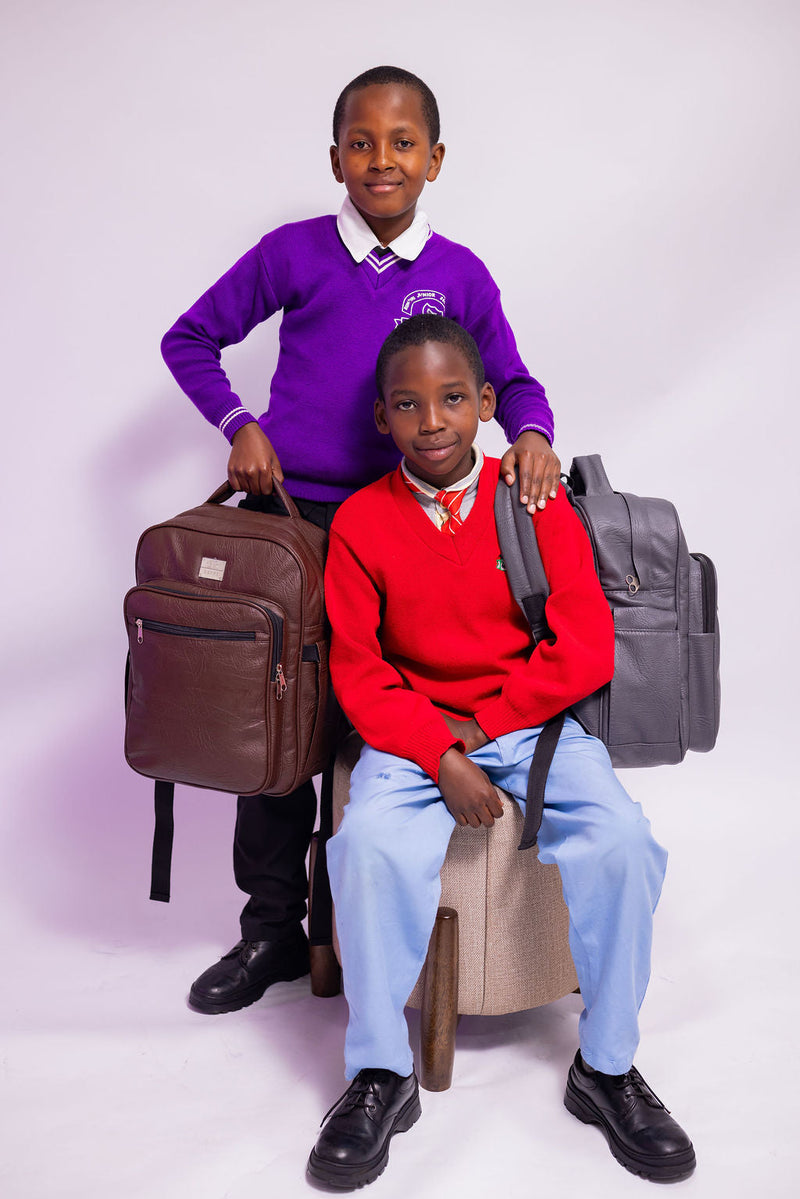
Choosing School Bags for Children: How Denri Designs Around What They Carry
Finding the best school bag comes down to understanding what your child carries each day. Learn how to compare capacity, compartment layout, padded straps, and water resistance to select a Denri school bag that fits your child’s actual routine.