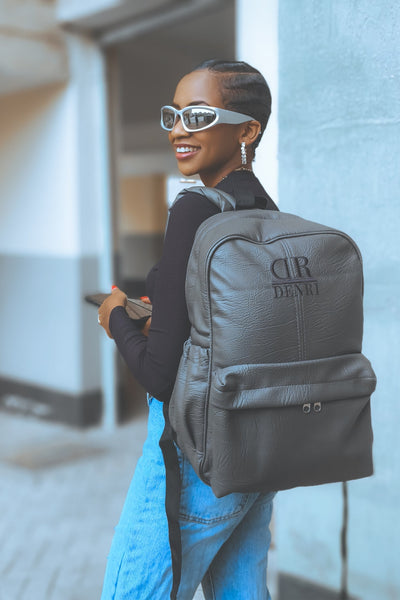

When Materials Begin to Tell Their Own Stories in Thoughtfully Crafted Leather Bags
There is a quiet moment that happens when you pick up a bag you have owned for a while. It is not dramatic and it does not announce itself, but it is unmistakable. The surface feels slightly different from when it was new. The handle has softened where your hand rests most often. The structure still holds, but it carries subtle evidence of use, of days lived and places passed through. At that point, the bag stops being an object and starts becoming something else entirely.
In Kenya, where days often stretch from early mornings to late evenings without clean separations between work, family, and personal time, the things we carry tend to stay with us longer than we expect. A bag might begin its day holding a laptop and documents, then later carry groceries, a book, a scarf, or a pair of shoes swapped out between obligations. Over time, the material absorbs this reality, not in a way that wears it down, but in a way that gives it depth.
This is where material matters. Not as a technical specification or a selling point, but as a lived experience.
A well-made bag does not try to stay untouched. It is designed to change, to soften, to adapt, and to reflect the life it moves through. The beauty of quality materials is not how they look on day one, but how they respond to repetition, pressure, weather, and habit. In many ways, they behave a lot like us.
The Language of Texture
Texture is one of the first things people notice, even if they do not consciously name it. Before colour, before shape, before size, there is the instinctive response of touch. Smooth leather conveys a different feel from pebbled leather. Structured surfaces feel intentional and composed, while softer finishes feel approachable and lived-in.
In everyday Kenyan life, where bags are rarely handled delicately, texture becomes more than aesthetic. It becomes practical. A slightly grained surface hides marks better. A thicker leather resists stretching when the bag is filled beyond what it was meant to hold. A lining that feels substantial rather than flimsy changes how the bag ages internally, not just externally.
The Denri Nizana Tote is a good example of this quiet material confidence. Its leather is not overly polished or glossy, which allows it to age gracefully without demanding constant maintenance. Over time, it develops a subtle sheen that reflects use rather than wear, creating a surface that feels personal without looking tired. This is the kind of material that suits people whose days are full, varied, and rarely predictable.
What makes texture important is not how it photographs, but how it behaves over months and years. The way it responds to heat, humidity, and frequent handling becomes part of its story.
Structure Without Stiffness
There is a misconception that structure must come at the expense of comfort. In reality, good structure is about balance. A bag that collapses entirely loses its usefulness, while one that is too rigid becomes restrictive. The most successful designs sit somewhere in between, offering enough form to protect what is inside while allowing flexibility in how the bag is used.
Kenyan lifestyles often demand this kind of adaptability. A bag might need to look appropriate in a professional setting and still feel natural when used casually later in the day. Structure helps maintain that visual consistency, but the right materials prevent the bag from feeling formal or distant.
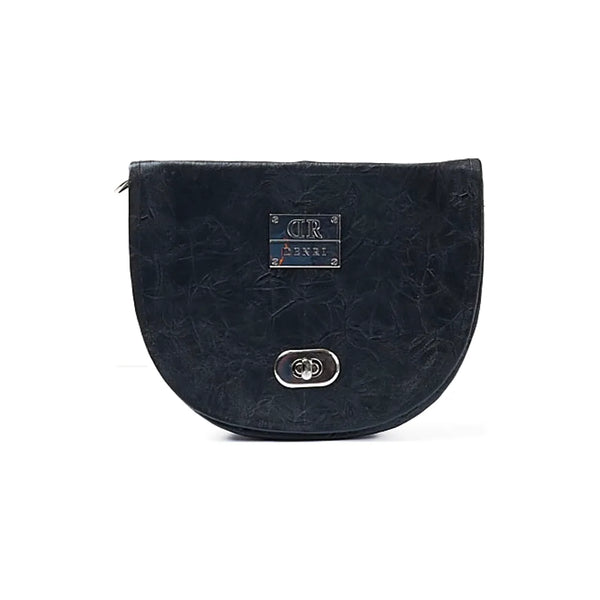
The Denri Amaya Hand Bag demonstrates this balance well. Its construction allows it to hold its shape when set down, yet it softens slightly when worn, conforming to the body rather than sitting awkwardly against it. This subtle responsiveness comes from thoughtful material selection and construction techniques that prioritise longevity over rigidity.
Over time, this kind of bag develops a familiarity that cannot be replicated by synthetic alternatives. The structure remains, but it feels increasingly intuitive, as though the bag understands how it is meant to be carried.
Ageing as a Feature, Not a Flaw
In a culture that often prioritises newness, ageing is sometimes misunderstood as deterioration. With quality materials, the opposite is true. Ageing becomes an enhancement. Leather darkens slightly where it is touched most. Edges soften without losing definition. Small variations appear, marking the passage of time in ways that feel honest rather than damaging.
This process resonates deeply with how many people in Kenya relate to their belongings. Items are not quickly discarded at the first sign of change. Instead, they are valued for how well they continue to serve their purpose. A bag that looks better after a year than it did when new feels like a quiet reward for choosing well.
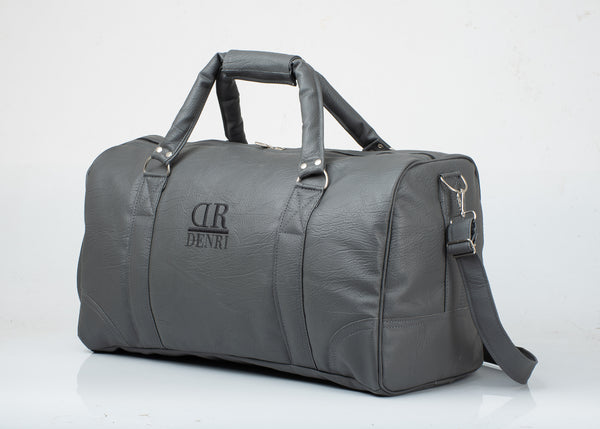
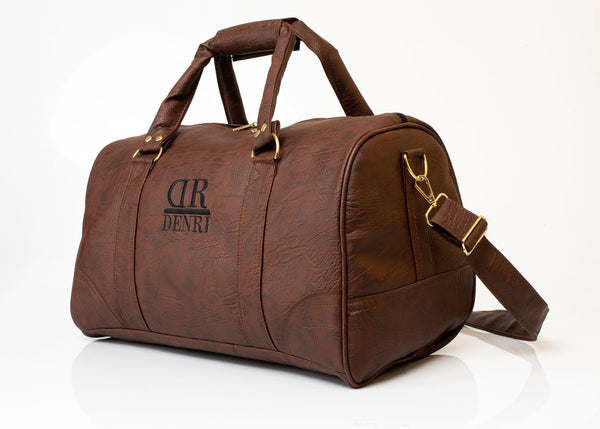
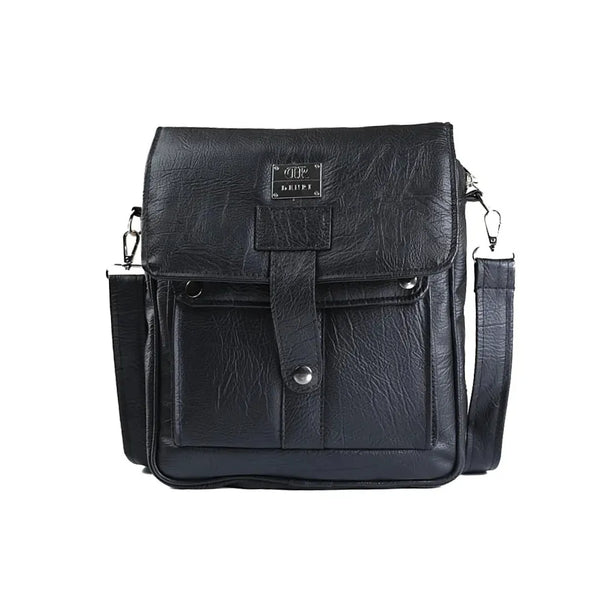
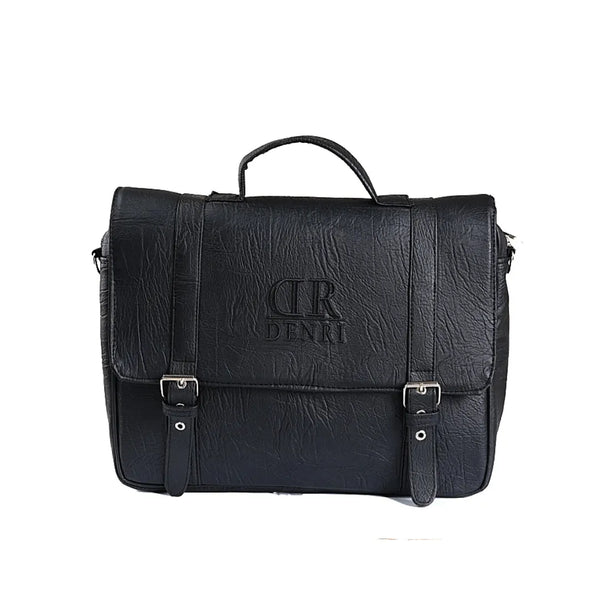
The Denri Man Bag embodies this idea. Designed to be used frequently, its leather responds beautifully to regular wear. The strap becomes more pliable, the body more expressive, while the overall form remains intact. This kind of ageing creates a sense of ownership that goes beyond brand or style, making the bag feel distinctly yours.
There is a comfort in knowing that your bag is not fragile. That it is not asking to be protected from life, but instead is equipped to move through it with you.
The Role of Weight and Feel
Weight is another material quality that often goes unnoticed until it is experienced. A bag that feels too heavy before anything is placed inside becomes burdensome quickly. On the other hand, a bag that feels unnaturally light can feel insubstantial, raising questions about durability.
Good materials strike a balance. They feel reassuring without being cumbersome. This is especially important in environments where a bag might be carried for long stretches of time, set down frequently, or worn across the body during extended errands.
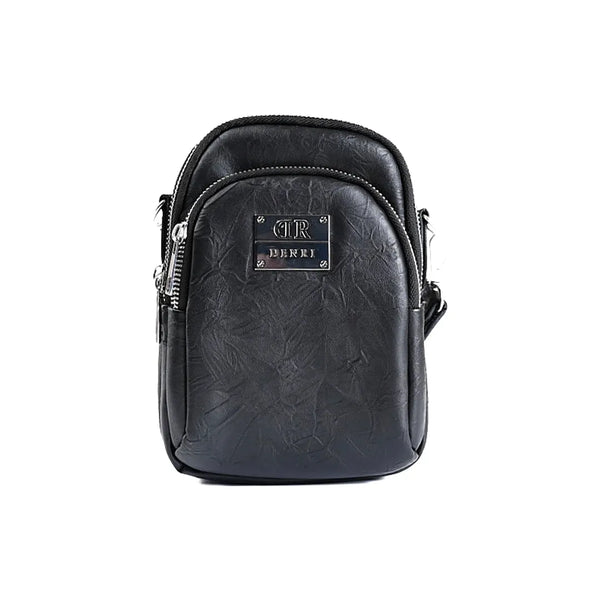
Denri bags offers a satisfying sense of presence. When empty, it feels solid but not heavy. When filled, it distributes weight evenly, avoiding the strain that poorly designed bags often cause. This physical experience is part of the material story, one that only becomes apparent through daily use.
A bag that feels right encourages you to use it more often. It becomes a default choice, not because it is fashionable, but because it fits seamlessly into your routine.
Interior Materials Matter Too
While exterior materials receive most of the attention, the interior of a bag plays an equally important role in how it ages and how it feels to use. Linings that tear easily or lose shape quickly undermine the experience, no matter how good the exterior looks.
In everyday use, the inside of a bag comes into contact with keys, chargers, notebooks, makeup, and countless other objects. A lining that can withstand this interaction without degrading quickly contributes significantly to the bag’s lifespan.
Denri’s approach to interior materials reflects an understanding of this reality. The interiors are designed to feel substantial, not decorative. They hold their structure, resist wear, and maintain their appearance even after extended use. This attention to interior quality reinforces the idea that the bag is meant to be lived with, not just admired.
Colour as a Material Experience
Colour behaves differently depending on material. A deep brown leather absorbs light in a way that feels warm and grounding. Black leather can appear sharp and defined or soft and understated depending on finish. Lighter tones reveal more of the leather’s natural character, making every mark and variation more visible.
Choosing a colour is therefore not just about aesthetics, but about how comfortable you are with visibility and change. In Kenya, where dust, sun, and weather are part of daily life, colour choices interact closely with the environment.
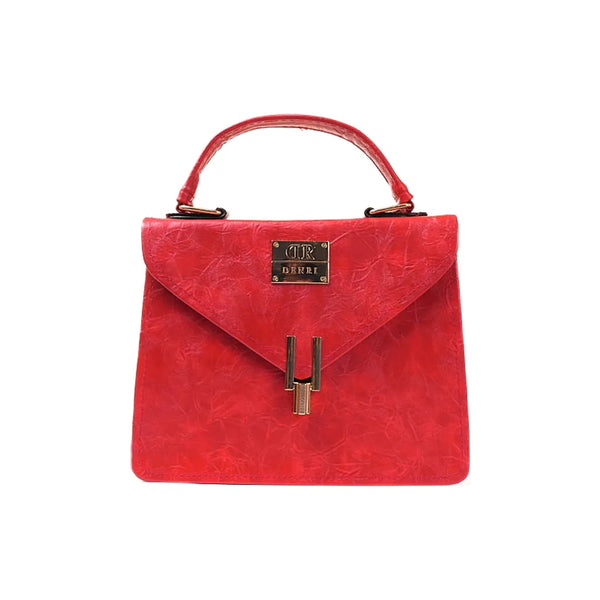
The Denri Zuri Handbag, often chosen in lighter tones, invites this relationship openly. Its colour becomes a canvas for subtle changes, reflecting the way it is used and cared for. For some, this transparency is appealing. It turns the bag into a record of experience rather than an object frozen in time.
Darker tones, on the other hand, offer discretion. They absorb the marks of use quietly, allowing the bag to maintain a consistent appearance over longer periods. Both approaches are valid, and both are deeply tied to how materials respond to life.
Craftsmanship You Can Feel
True craftsmanship reveals itself slowly. It is felt in the way seams hold, in the way edges are finished, and in the way components work together without friction. These details may not be immediately visible, but they become apparent over time.
Stitching that remains intact after years of use speaks to skill and intention. Edges that do not fray or peel indicate careful finishing. Hardware that maintains its function and appearance reflects thoughtful material pairing.
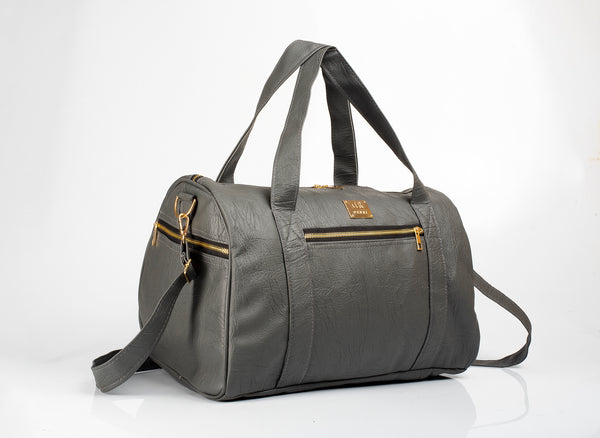
The Denri Kaz Travel Bag showcases this craftsmanship through restraint. Nothing feels overdesigned or excessive. Instead, each element supports the others, creating a cohesive whole that feels dependable and refined. This kind of design confidence comes from understanding materials deeply and trusting them to perform.
Living With Objects That Last
There is something grounding about owning items that are meant to last. They create continuity in a world that often feels fast and disposable. A bag that stays with you for years becomes part of your visual identity, recognised by others and associated with your presence.
In Kenya, where personal style often balances practicality with expression, this longevity feels especially relevant. People value items that serve them well without demanding constant replacement. A well-made bag aligns naturally with this mindset.
Over time, such a bag becomes familiar in a way that new purchases rarely do. You know where everything sits inside. You adjust how you carry it without thinking. The material responds to you as much as you respond to it.
Materials as Quiet Companions
The most meaningful objects in our lives are rarely the loudest. They do not demand attention or announce their importance. Instead, they support us quietly, consistently, and without complaint.
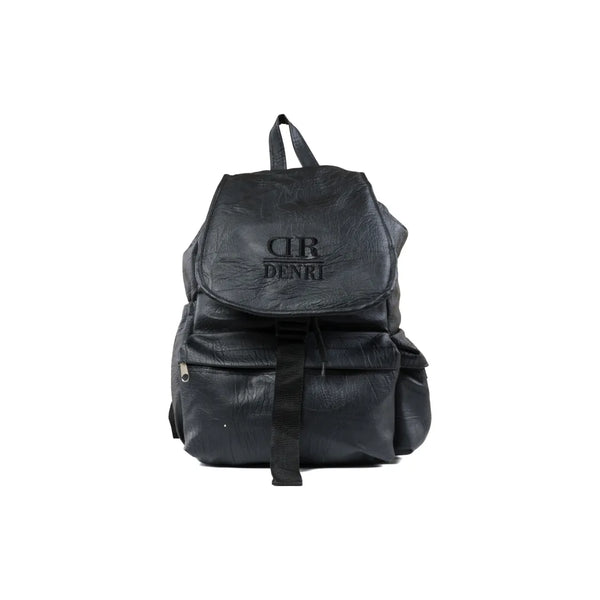
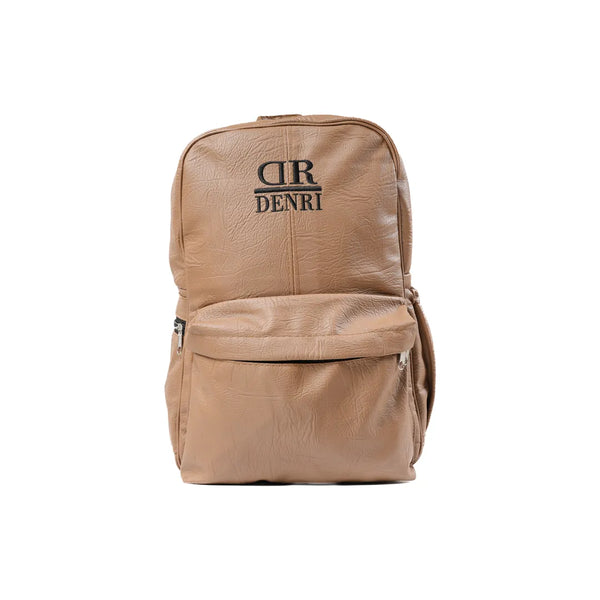
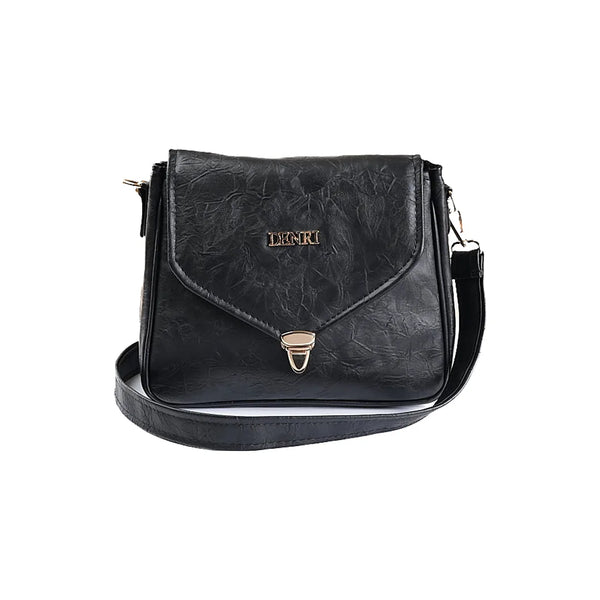
Denri bags are designed to occupy this space. Their materials are chosen not to impress momentarily, but to endure. They are meant to be used often, carried confidently, and appreciated gradually.
When materials begin to tell their own stories, it is a sign that they have been chosen well. They reflect care, intention, and respect for the lives they accompany. In that sense, a bag becomes more than a container. It becomes a witness.
And in a life full of transitions, responsibilities, and everyday moments, having something that holds its ground quietly beside you can make all the difference.
You may also like
View All
Beyond the Bag: How Denri Connects Customer Service with Better Bag Choices
The Wins, The Lessons, The Year, and the Bags That Carried It All
Choosing School Bags for Children: How Denri Designs Around What They Carry
Finding the best school bag comes down to understanding what your child carries each day. Learn how to compare capacity, compartment layout, padded straps, and water resistance to select a Denri school bag that fits your child’s actual routine.