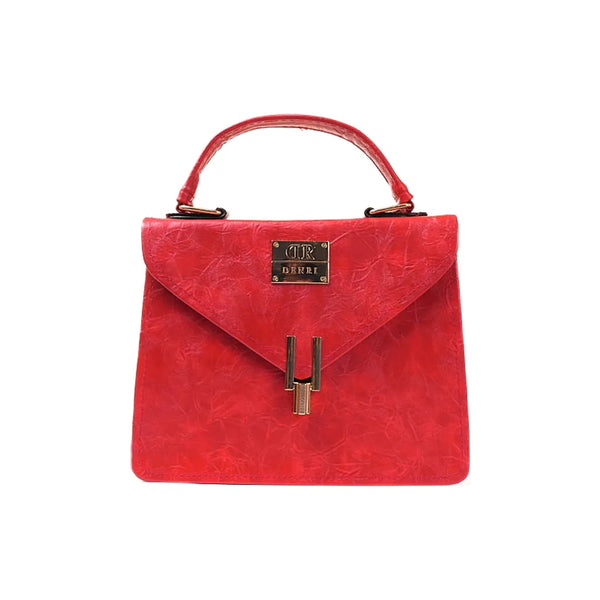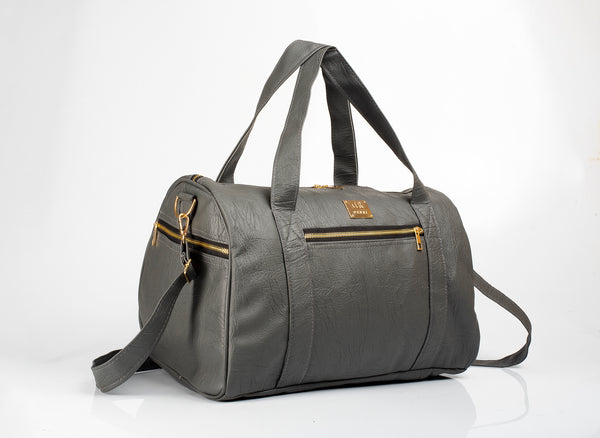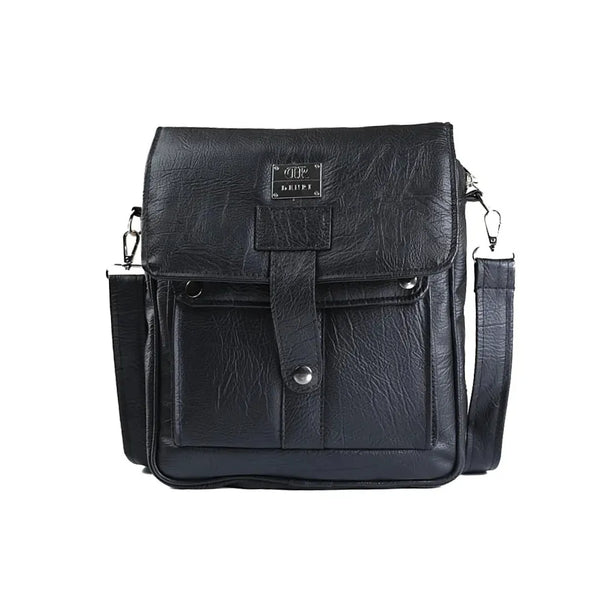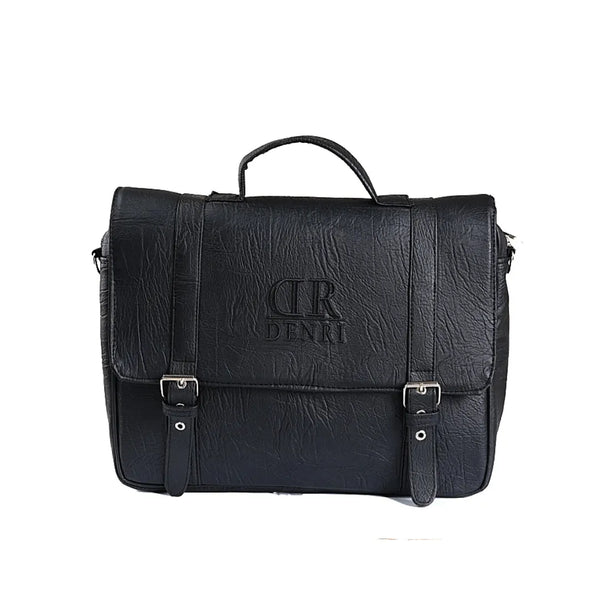

Choosing School Bags for Children: How Denri Designs Around What They Carry
Choosing a school bag is often treated as a simple question of size. A child needs books, so the instinct can be to find the largest backpack available and assume that extra room automatically means greater usefulness. That can overlook a more practical question: what does the child actually carry from home to school and back each day? A younger learner with a few exercise books, stationery and a snack has a different routine from an older learner carrying several books, technology or equipment for activities. The current Denri Kenya school bag collection reflects some of these differences, with school bags ranging from compact children's options to larger backpacks designed around additional storage. The better starting point is therefore not “How big a school bag can I buy?” but “What does this child genuinely need the bag to do?”
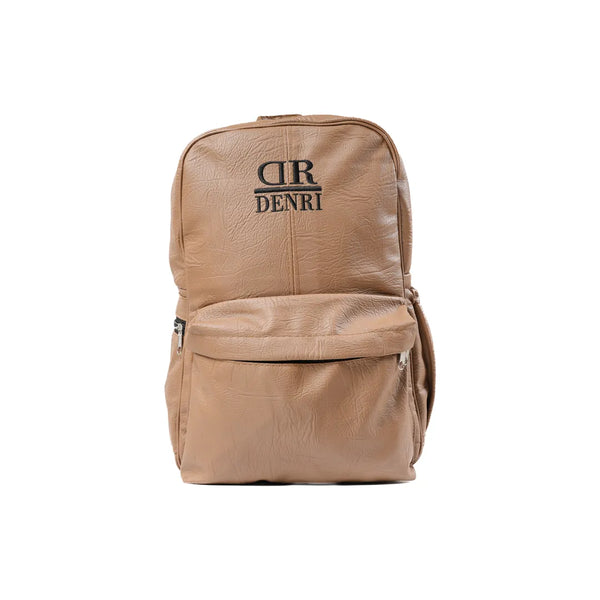
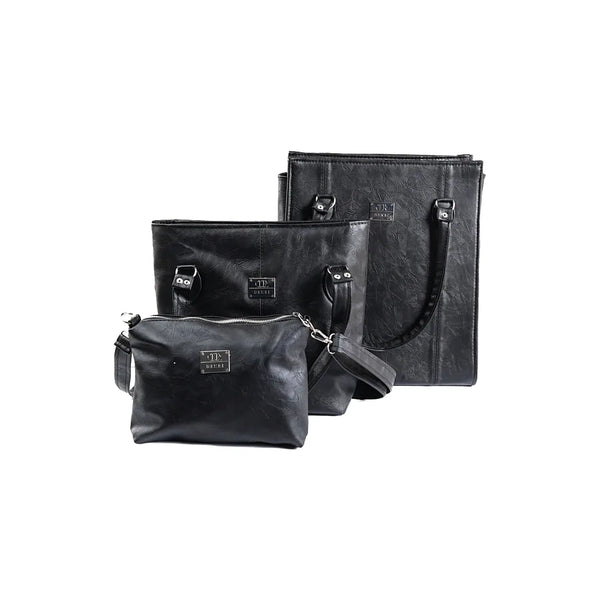
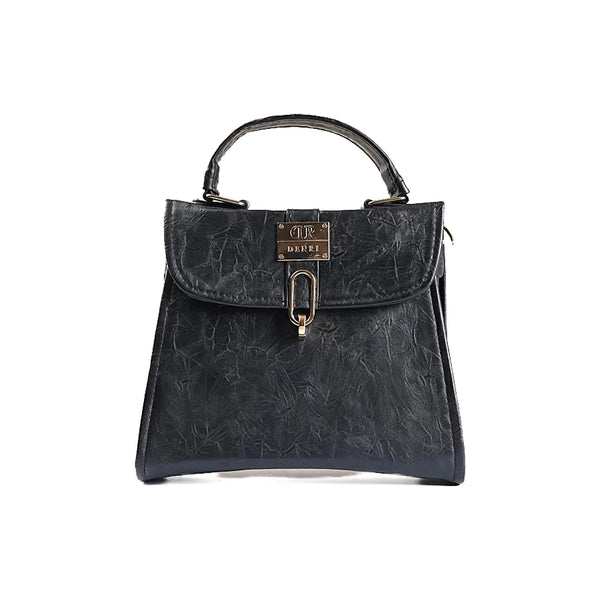
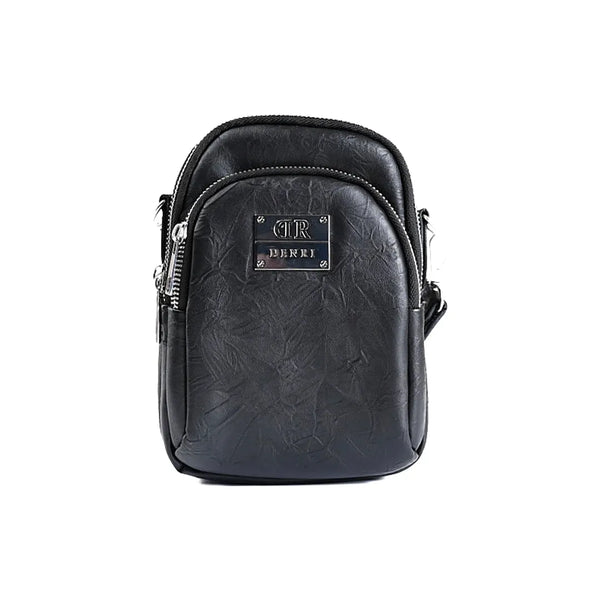
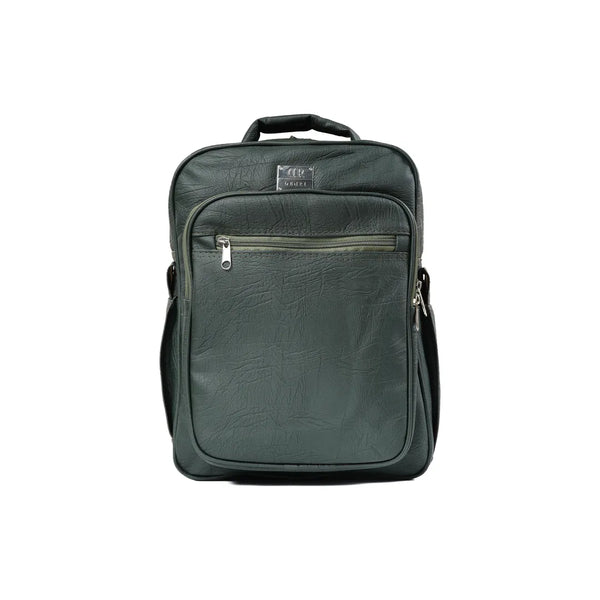
That question becomes more useful when comparing school bags for children at different stages. A large main compartment can look convenient in a product photograph but still be poorly matched to a learner whose daily load is relatively small. The opposite problem occurs when a compact backpack becomes crowded because books, lunch and other essentials have nowhere sensible to go. The Denri Mini School Bag has one internal pocket and four external pockets, while the Denri School Bag has a main compartment, one internal pocket and three external pockets. Those differences provide a more useful basis for comparison than appearance alone. The right school bag is the one whose capacity and organisation correspond with the child's actual school day.
Start With the Child’s Daily Load
Before comparing colours, designs or pocket counts, write down what normally goes into the bag. Exercise books and textbooks may make up most of the load, but they are rarely the only items involved. Stationery, lunch, snacks, a water bottle and small personal belongings can all require space, while some learners also carry items for sports, clubs or other activities. Denri's current school-bag range includes products with different storage arrangements, making those features worth considering only after the child's regular contents are clear. A simple packing list can therefore turn an abstract question about “the right size” into a practical comparison of what the bag actually needs to hold.
This exercise can also show why the largest available backpack is not necessarily the most suitable. If a child normally carries only a few books and basic school essentials, a very large compartment may provide space without providing much additional usefulness. Smaller bags can offer a closer match between the amount carried and the storage available. The Mini School Bag is described as a children's school backpack with a spacious interior and multiple compartments for items such as books, stationery, snacks and a small lunch box. That makes its storage arrangement relevant when considering a younger learner with a comparatively modest daily load. The decision is therefore based on what the child carries rather than on the assumption that more capacity is always better.
More Compartments Are Only Useful When They Have a Job
Pocket count can become an easy shopping shortcut, but more pockets do not automatically create better organisation. What matters is whether the compartments help separate items that need to be separated. Books can stay in the main compartment, while stationery, snacks or smaller belongings may have more useful locations elsewhere. The Denri School Bag has one internal pocket and three external pockets, giving the shopper specific information about how the storage is divided. Looking at that arrangement is more informative than simply counting the number of zips visible on a product photograph.
The arrangement also matters when the child is responsible for finding and packing their own belongings. A pocket has a practical purpose when the learner understands what belongs there and can reach it without emptying the main compartment. The Cosmo Junior School Bag is currently positioned for children aged four to nine and for settings including school, daycare and extracurricular activities, with a multi-pocket design. That does not establish that a particular number of compartments is right for every child. Instead, it gives parents another way to ask whether the bag provides clear places for the items the learner actually carries. If a child can explain where their stationery, snacks and other small belongings belong, the organisation is doing something useful.
Match the Bag to the Routine, Not Just the School Year
School needs can change without the child's entire routine changing at once. A learner may start carrying additional books, more stationery or equipment for activities, which can alter the amount of storage required. This is why it is useful to look at the regular weekly load rather than choosing a bag solely around what fits on the first day of term. Denri's school-bag collection currently includes children's school bags as well as backpacks that introduce dedicated laptop storage. The category therefore covers several different types of school-day requirements rather than representing one standard size.
There is also a difference between allowing for realistic growth in a routine and buying for every possible future requirement. A child who already carries several books and additional belongings may benefit from having some usable spare space and a more developed organisation system. A child with a lighter load may have little reason to carry a much larger backpack simply because it could hold more. The Spark Backpack is listed as a high-capacity school backpack for children and teens, with a 14-inch laptop compartment and several storage sections. That makes it relevant when a learner's school routine genuinely includes a larger load or technology. The useful question is still whether those features solve a present need rather than whether the bag can accommodate every hypothetical future item.
Check the Carrying Details, Not Just the Storage
Storage is only part of the school-bag decision because the learner also has to carry the bag repeatedly. Shoulder straps, back-panel construction and the way the bag sits on the child therefore deserve attention alongside compartment size. These details can easily be overlooked when colour, patterns or other visual features dominate the initial choice. The Denri School Bag is described with a padded back panel and adjustable shoulder straps. Those specifications give a parent concrete features to examine rather than assuming that every backpack has the same carrying arrangement.
The same principle applies when considering a smaller school bag. The Mini School Bag is described with padded back panels and adjustable shoulder straps as well as its storage features. That combination matters because the bag has to function as something the child carries, not simply something that holds objects. A parent can therefore look at the product information alongside the child's normal routine, including how often the bag is carried and what usually goes inside it. Reading the carrying details in this way keeps the decision focused on practical use rather than appearance alone.
Give Frequently Used Items Their Own Place
Not everything inside a school bag needs to be accessed equally often. Books and exercise books may remain in the main compartment for most of the school day, while a water bottle, snack or small personal item may need to be reached more quickly. External pockets can be useful when they are assigned to items that the learner regularly needs. The Denri School Bag has three external pockets alongside its internal pocket, giving the learner several possible locations for smaller belongings. The important part is not filling every available section, but deciding which items genuinely benefit from being kept separate.
This can also make the child's daily packing routine easier to repeat. If a water bottle always has one place and stationery has another, the learner can check the bag more quickly before leaving home and when preparing for the next school day. The Mini School Bag has four external pockets, giving a younger learner several possible locations for smaller items. That does not mean all four need to be filled every day. Unnecessary organisation can create confusion just as easily as having no organisation at all. The useful test is whether the compartments reduce searching and make the contents easier for the child to manage.
Treat Water Resistance as a Specific Feature
Weather can influence the choice of school bag, particularly when a learner regularly travels with books and other items that need protection from moisture. Even then, product descriptions should be read precisely. A description of a bag as water-resistant or waterproof should be understood as a stated product characteristic rather than as a guarantee that every item will remain protected in every possible weather situation. The Denri School Bag is presented as water-resistant, while the Cosmo Junior School Bag is described as waterproof. Those distinctions can form part of the comparison when weather exposure is relevant to the child's routine.
The rest of the product information matters too because a bag has to be maintained after it has been used. The Cosmo Junior School Bag includes care instructions recommending spot cleaning with a damp cloth and advising against bleach and machine washing. That information may seem separate from the initial size decision, but it affects how the bag fits into everyday family routines. A school bag can encounter dust, food spills and ordinary marks during repeated use, so knowing how it should be cleaned helps the buyer understand what maintaining the product involves. Looking at the feature and its care instructions together gives a more complete picture than relying on the word “waterproof” alone.
When a School Bag Also Needs to Carry Technology
Some learners carry electronic devices alongside their books and stationery, which can change the type of school bag they need. That does not make a laptop compartment necessary for every child. It becomes relevant when a device is genuinely part of the learner's regular school routine and needs a dedicated place within the bag. The Spark Backpack includes a dedicated padded compartment for laptops up to 14 inches alongside its main compartment and additional organisational sections. For a learner who actually carries a laptop, those features answer a specific storage requirement rather than simply adding another feature to the shopping list.
Older learners may also need to combine school materials with technology in a single daily carry. The Denri Laptop Backpack has a dedicated compartment for laptops up to 14 inches, three external pockets and adjustable straps. Those specifications make it relevant to someone whose routine includes a compatible laptop and other daily essentials. They are less relevant to a younger learner who does not carry a computer. Matching the feature to the actual contents prevents a school-bag purchase from becoming a technology decision when technology is not part of the child's day.
Use the Product Details to Compare the Actual Fit
Once the child's regular load is clear, product specifications become much more useful because they can be compared against a real list of belongings. A parent can look at the main compartment, internal and external pockets, carrying features and any specialised storage, then ask which of those features correspond with the learner's routine. Denri's current school-bag collection provides several formats that can be considered from this perspective. The purpose of comparing them is not to find the bag with the longest list of features. It is to identify the arrangement that solves the actual storage and carrying requirements.
This also helps separate useful capacity from unnecessary capacity. A child who needs room for books, lunch and a few smaller belongings may have very different requirements from a learner who carries a laptop as well as school materials. The Denri Mini School Bag illustrates a compact children's format with multiple pockets, while the Denri School Bag provides a larger arrangement with a spacious main compartment and additional pockets. Looking at these details alongside the child's actual contents creates a more defensible choice than selecting a bag simply because it appears larger or more impressive.
A Practical Check Before Buying
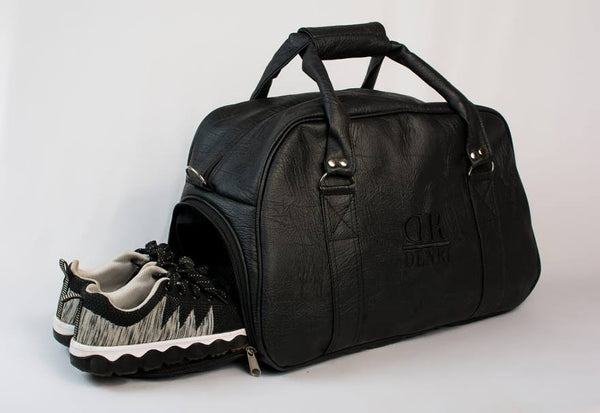
Before buying a school bag, start with the learner's normal packing list rather than the product photograph. Identify the books, stationery, lunch, water bottle, personal items and any activity equipment that regularly travels between home and school. Then consider which items need quick access and which can remain in the main compartment. From there, compare the available storage with the child's actual requirements and check whether features such as padded carrying areas, water resistance or a laptop compartment have a genuine role in the routine. The Denri Kenya school-bag collection can then be viewed as a selection of different storage arrangements rather than a single category where the largest option automatically wins.
The same approach can be used with the child when making the final choice. Instead of asking only which design they like, walk through how the bag will be packed in the morning, what they will need to reach during the day and what they will bring home in the afternoon. A Denri Mini School Bag may make sense where the daily load is compact, while the Denri School Bag provides more room and organisation for a different school-day load. Neither format is automatically right for every learner because the useful comparison is between the bag's features and the child's actual routine. A school bag is doing its job when its capacity, organisation and carrying features make that routine easier to manage without giving the child more bag than they have any reason to carry.
You may also like
View All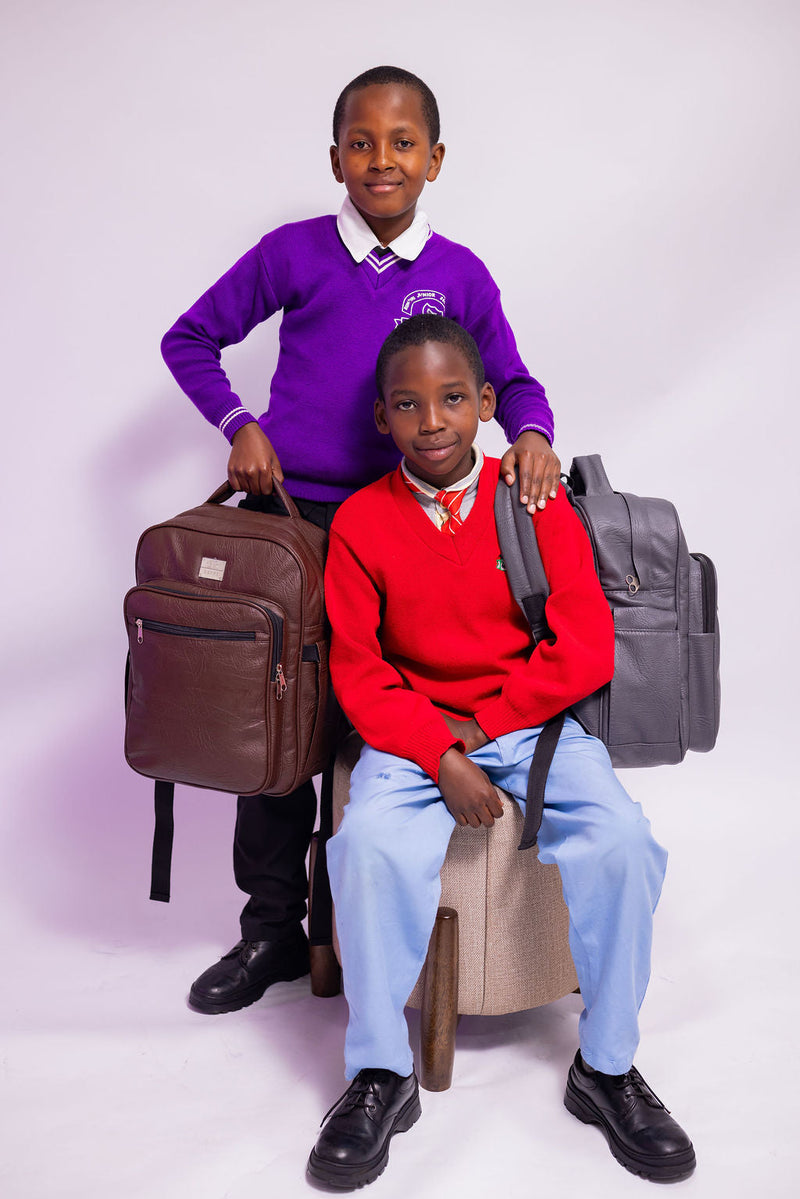
Choosing School Bags for Children: How Denri Designs Around What They Carry
Finding the best school bag comes down to understanding what your child carries each day. Learn how to compare capacity, compartment layout, padded straps, and water resistance to select a Denri school bag that fits your child’s actual routine.

Custom Branded Bags in Kenya: What to Consider Before Ordering with Denri

What Your Bag Actually Needs to Carry: A More Useful Way to Choose a Denri Bag