
Custom Branded Bags in Kenya: What to Consider Before Ordering with Denri
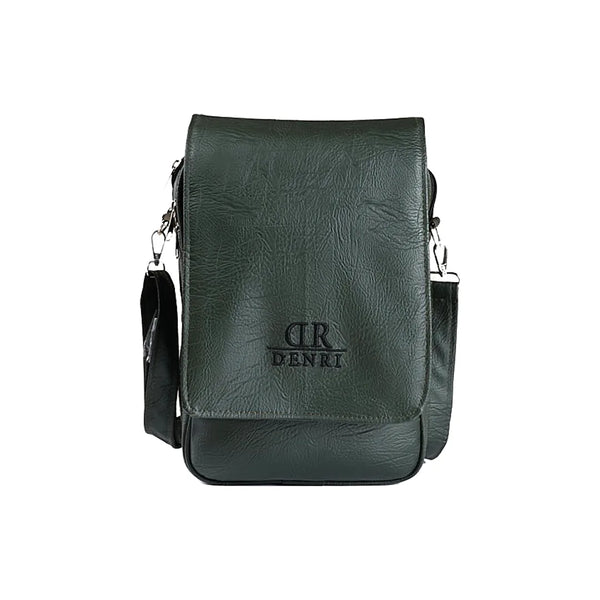
Custom bags sound straightforward until an organisation has to decide what it actually wants produced. A request for branded bags can begin with a logo and a quantity, but those two details do not explain what the finished bags need to do. The intended recipient, bag category, design requirements and order quantity can all affect the conversation before production begins. Denri's current Kenya storefront confirms that it handles customised and branded orders for corporates and groups, with pricing depending on design and quantity. That makes custom bags a distinct subject from ordinary retail shopping because the decision starts before an individual product is selected. For a company, institution or group considering a branded order, the more useful question is therefore not simply which bag looks suitable, but what information needs to be established before the order is discussed. Denri Kenya custom bags
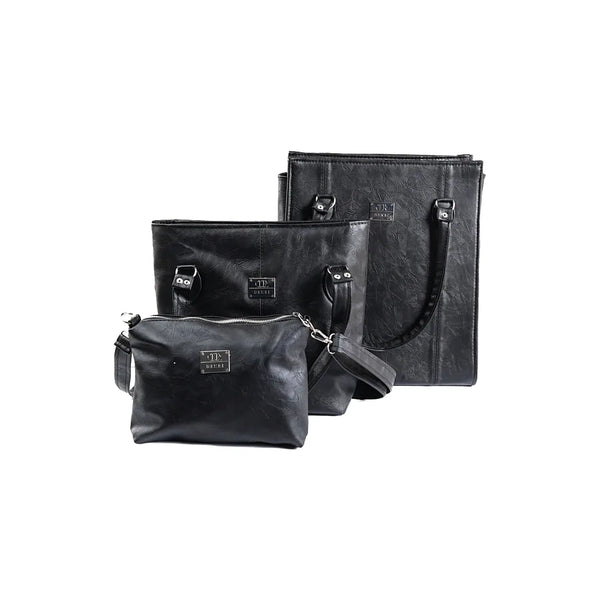
This distinction also gives branded bags a different place within Denri's wider product offering. The Kenya storefront separately identifies Corporate Gifts and Custom Bags alongside ordinary product categories such as backpacks, handbags, travel bags, briefcases and gym bags. That structure indicates that a customised order is not simply another way of purchasing a standard retail item. It involves a different set of decisions about the order itself. Those decisions are worth explaining because a clearer brief can make the process more useful for both the organisation placing the request and the team receiving it. The goal is not to turn customisation into a complicated exercise, but to establish the information that actually matters before anyone discusses a final design. Denri Kenya corporate gifts
Start With Who Will Receive the Bags
The first question in a branded-bag order should be who the bags are intended for. A corporate order for employees may have different requirements from bags prepared for an event, while a group order may involve people with different uses for the same item. The recipient matters because it influences the kind of bag that can make sense before branding is even considered. A laptop-oriented work bag carries a different set of requirements from a compact crossbody, while a travel format introduces another type of use altogether. Starting with the recipient also prevents the logo from becoming the only consideration in the brief. Branding identifies the organisation, but the underlying bag still needs to correspond with what the recipient is expected to carry. Denri Kenya work bags
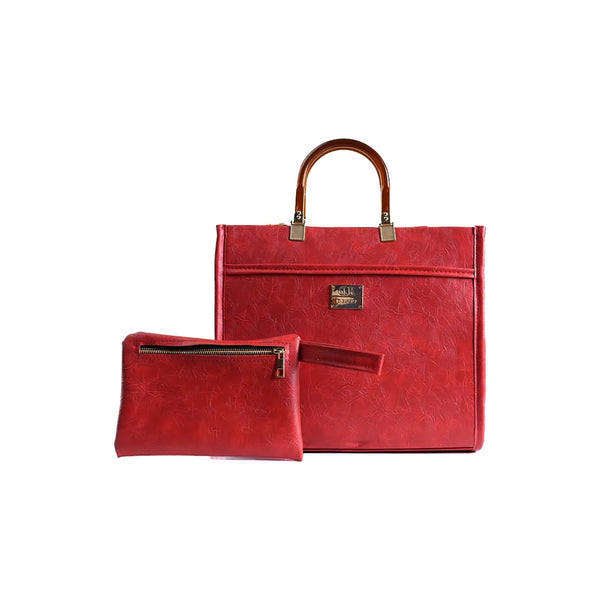
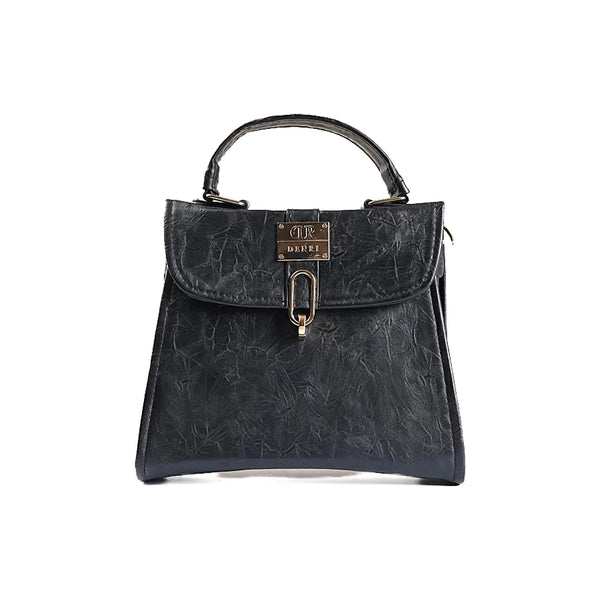
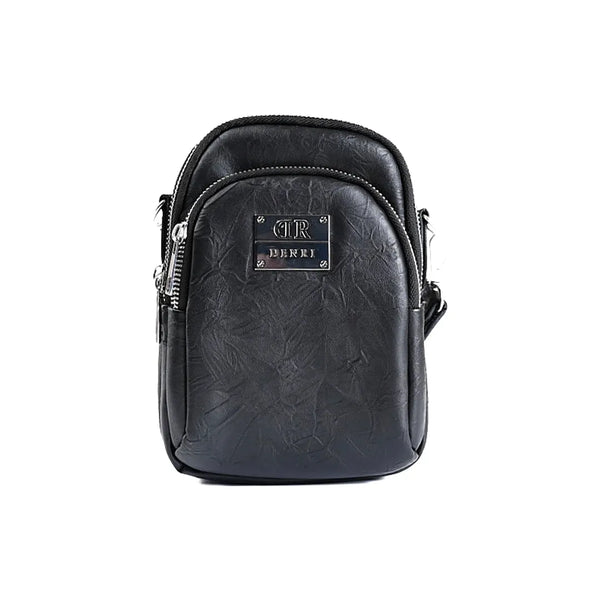
The Kenya storefront gives several established categories that can help frame this discussion. Its current navigation separates everyday bags from work and travel categories, with backpacks, sling bags, handbags, travel bags, briefcases, man bags and gym bags among the listed options. A group that needs a work-oriented product can therefore begin by considering a category already designed around that kind of use rather than starting from an entirely undefined object. The Jamela Laptop Handbag, for example, is listed with a padded laptop compartment and four internal pockets, giving a concrete example of how a work-focused product can be described through its existing features. A custom-order discussion can then focus on whether that type of product fits the intended recipients rather than treating every branded bag as interchangeable. This makes the brief more precise before questions of branding enter the conversation. Denri Kenya laptop bags
Quantity Is Part of the Brief
Denri's current FAQ states that customised and branded orders are available for corporates and groups, with pricing dependent on design and quantity. That makes quantity more than a purchasing detail because it is explicitly part of how the custom-order price is determined. An organisation therefore needs to establish its approximate quantity before expecting a useful discussion about cost. The quantity may also help define whether the order is connected to one occasion, a larger group or an ongoing organisational requirement. Without that information, the brief remains incomplete even if the desired product has already been identified. A good custom-order conversation therefore begins with a realistic estimate rather than treating quantity as something to decide at the very end. Denri Kenya custom bags
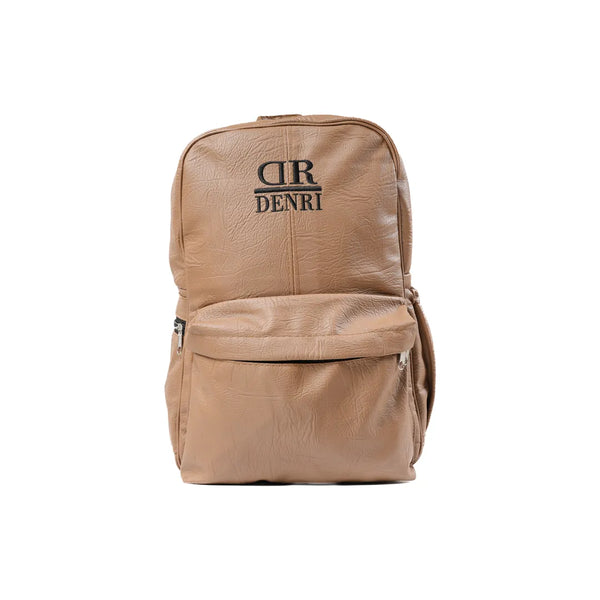
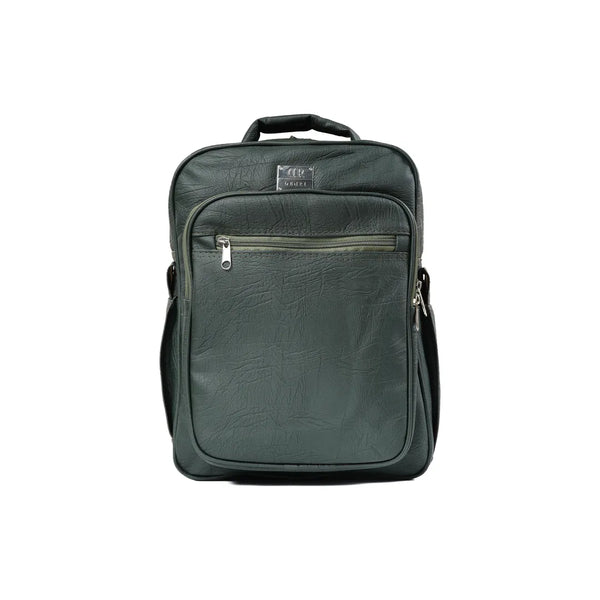
Design also needs to be considered alongside quantity rather than separately from it. Denri's stated custom-order information connects pricing to both design and quantity, so changing either part of the brief can affect the discussion. This is why organisations should be clear about whether they already have a preferred bag type, a branding direction or only a general idea. A request that says “branded bags” leaves more questions open than one that identifies the intended users, category and approximate quantity. The difference is not about making the customer do the work of designing the entire product. It is about providing enough information for the supplier to understand what the order is supposed to achieve. A clearer starting point creates a more useful basis for discussing what can actually be produced. Denri Kenya backpacks
Branding Should Follow the Bag's Purpose
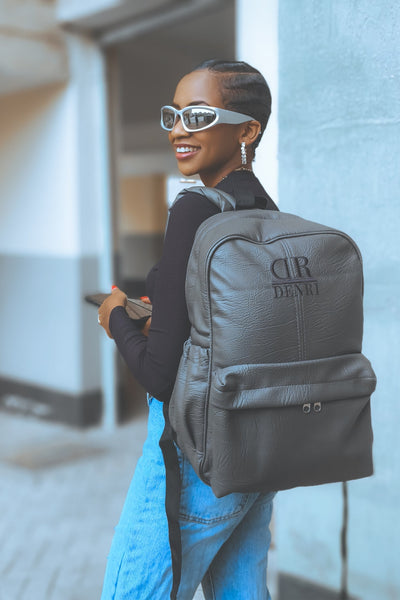
A logo can make a bag recognisable, but it does not determine whether the underlying product is appropriate. This is especially important when a branded order is intended to be used beyond a single event. A bag that becomes part of someone's regular routine has a different relationship with branding from an item intended primarily for one occasion. The organisation should therefore decide whether the priority is everyday usefulness, a specific event, professional use or another clearly defined purpose. That purpose can then guide the choice of bag category before visual branding is considered. The strongest brief is one where the branding and the product make sense together rather than where the logo is treated as the main feature. Denri Kenya everyday bags
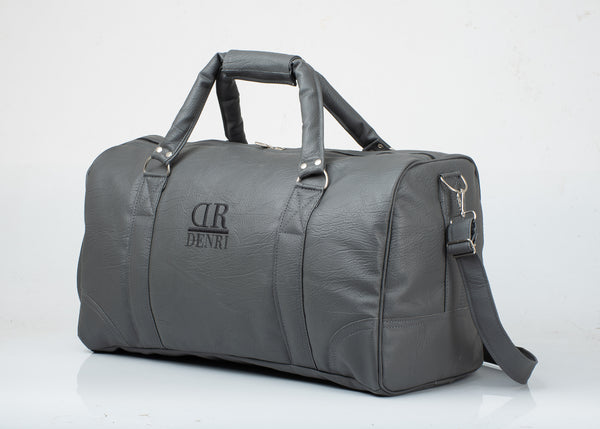
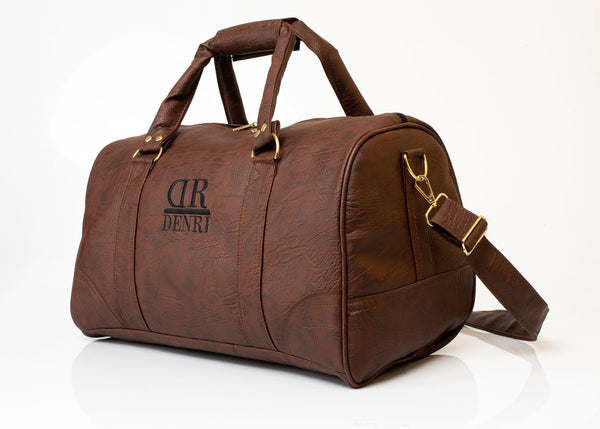
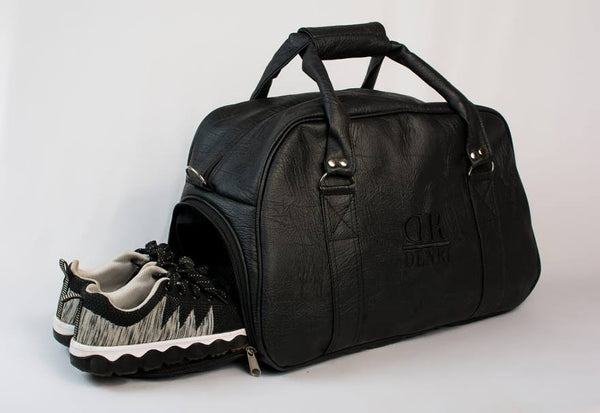
Existing Denri products demonstrate why this distinction matters. The Cairo Backpack is currently presented as a backpack that fits up to a 12-inch laptop and is positioned for school, work and errands, while the Standard Travel Bag is listed as a travel duffel with an adjustable strap and multiple compartments. These products represent different starting points for a custom conversation because the underlying use is different before any branding is added. An organisation ordering bags should therefore resist the temptation to choose based on the logo placement alone. The more important first question is whether the recipient would have a reason to use the bag after receiving it. That approach keeps the custom order connected to the actual purpose of the product rather than making branding the entire story. Denri Kenya travel bags
What a Better Custom Brief Contains
A useful custom-order brief does not need to be complicated, but it should answer the questions that determine the direction of the conversation. It should identify who will receive the bags, what they are expected to carry and roughly how many are required. It should also identify whether there is an existing product category that the organisation has in mind or whether the supplier is expected to recommend an appropriate category. Branding requirements should be described separately so that the organisation can distinguish the bag itself from the visual identity being added to it. If the order is connected to a specific event or deadline, that information is also important because timing becomes part of the practical discussion. The result is a brief that describes an actual requirement rather than simply requesting a quantity of branded objects. Denri Kenya corporate gifts
This way of approaching customisation is consistent with what Denri publicly confirms about its service. The company states that it accepts customised and branded orders for corporates and groups and that pricing depends on design and quantity. It also states that it does not currently offer wholesale or bulk purchases for resale, which is a useful distinction for organisations considering custom bags for their own groups rather than for resale. These details give potential customers information they can use before contacting the company. They also show why a custom order should be treated as its own purchasing process rather than simply as a larger version of ordinary online shopping. The better the initial information, the easier it becomes to discuss whether the requested product, design and quantity fit the available custom-order service. Denri Kenya contact page
Customisation Works Best When the Requirement Is Clear
The interesting thing about branded bags is that the logo is usually the most visible part of the order, but it is rarely the part that determines whether the bag remains useful. The underlying category, expected load and intended recipients establish the practical side of the product. Quantity and design then shape the custom-order conversation, while branding gives the finished item its organisational identity. Separating these decisions makes the process easier to understand because each question has a specific purpose. It also reduces the temptation to treat all custom orders as identical. A branded bag for a professional group and a branded bag for another occasion can begin from very different requirements even if both eventually carry the same organisation's logo. Denri Kenya work bags
Denri's existing product range gives organisations a factual starting point for thinking through those differences. Work-oriented products, travel bags, backpacks and other categories are already separated within the Kenya storefront, while the company separately confirms its ability to handle customised and branded orders for corporates and groups. That means a custom conversation can begin with something more concrete than the generic phrase “a branded bag.” It can begin with the people who will use it, the purpose it needs to serve, the approximate quantity required and the design direction being considered. From there, the discussion can establish what is actually possible instead of relying on assumptions about the final product. Customisation becomes most useful when it starts with a real requirement and uses branding to complete that requirement rather than using branding to disguise the absence of one. Denri Kenya bags collection