
Denri Africa Runway 2026: Celebrating A Decade of Brand & Design Evolution
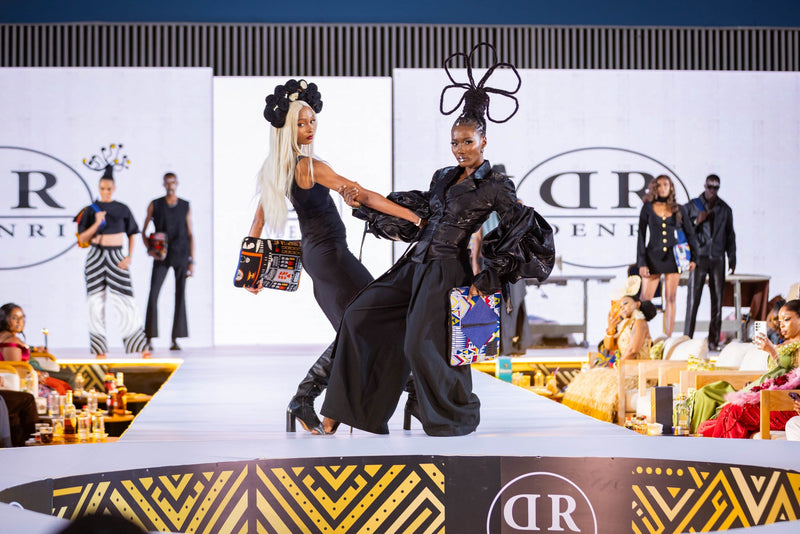
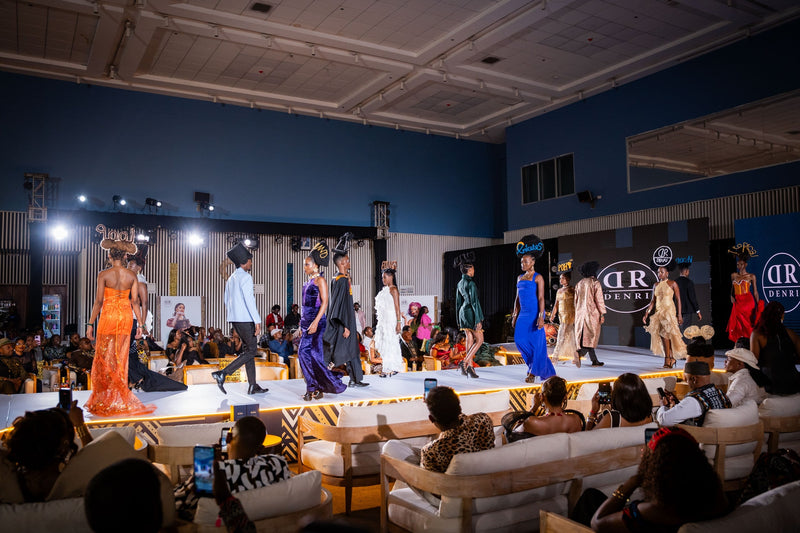
Some brand stories are easiest to understand when they are told through dates, milestones and product launches. Denri’s story feels different when the people behind it are standing in front of an audience and the journey is allowed to unfold through memory, conversation, laughter and the objects that carried the brand from one stage to another. On Saturday, 29 August 2026, the Denri Africa Runway 2026 brought that history into the room at The Edge Convention Centre. What emerged was not simply a presentation of bags. It was an evening in which the audience was taken back through the brand’s beginnings, the experiences of its co-founders, the changes in materials and design that shaped its development, and the possibilities suggested by the future-facing part of the show. The runway gave the history a physical setting, but the stories gave the history its meaning. Every ticket purchase included a free bag, connecting the runway directly to practical utility.
That was particularly powerful in Kenya because this is where the Denri journey began. The evening therefore carried a sense of homecoming that could not be replicated by simply taking the same presentation somewhere else. People were not being introduced to an unfamiliar name. They were watching Denri Kenya revisit the stages through which it had grown, from the earliest days of denim, through the Ankara period, and eventually into leather. The sold-out status of the event added another layer to the evening. There was already an audience waiting to experience the story, and once the programme unfolded, the history did not remain a distant account of where Denri had come from. It became something people could see, hear, remember and celebrate together.
When a Brand's History Becomes the Main Event
The most memorable histories are rarely the ones that sound perfectly polished when reduced to a timeline. They are the ones that contain uncertainty, experimentation, change and the decisions that only make complete sense when viewed backwards. The Denri runway created room for that kind of history to breathe. Rather than treating the past as a paragraph that needed to be completed before the evening could move on, the presentation allowed the journey itself to become part of the experience.
The story of the materials was especially revealing because it showed that Denri did not arrive at leather as though the destination had always been predetermined. The journey moved through denim, then Ankara, and eventually leather, with each stage becoming part of the company's broader evolution. That progression says something important about building a creative business. Materials are not merely production choices. They influence how a product looks, how it is perceived and the kinds of possibilities available to the people designing it. Looking back at those transitions allowed the audience to see development rather than simply an end result.
The runway therefore gave context to the leather bags that have become strongly associated with Denri today. The audience could understand them against a longer history rather than encountering them as isolated products. The transformation from one material to another represented a willingness to learn and evolve, while the stories shared by the co-founders brought the human dimension into the account. A business can change its materials, refine its products and expand its reach, but those changes are ultimately made by people making decisions in real circumstances.
That human element mattered throughout the evening. The co-founders' stories gave the audience something that a conventional product presentation could never provide: the voices of the people who experienced the journey from the inside. Their presence made the history less abstract. The early years were not simply "the beginning" anymore. They were experiences remembered by people who had lived through them. And once those memories entered the room, the bags themselves began to feel like evidence of that journey.
From Denim to Ankara, From Ankara to Leather
Material evolution can sometimes be overlooked when a brand becomes known for the products it makes today. Once customers become familiar with a particular material, it can be tempting to imagine that the brand has always looked that way. The runway challenged that assumption by bringing the earlier stages back into the story. Denim and Ankara were not footnotes. They were part of the road that eventually led Denri toward leather.
That progression gave the audience a way to think about growth through design rather than simply through time. A material carries its own visual language. Denim can evoke a completely different feeling from Ankara, while leather introduces another set of possibilities in texture, structure and presentation. Moving between those materials required the brand to keep adapting its understanding of what a Denri bag could be.
The significance of that evolution becomes clearer when viewed against Denri's established runway history. The previous 2025 runway story used a Legacy Walk to revisit early creations and connect them with the brand's present and future. The 2025 account specifically described early pieces such as the Anti-Theft, Standard and Safiri Travel designs as part of a presentation about Denri's handmade beginnings and development. The 2026 event continued that instinct to make history visible, but this time the story reached further into the personal experiences and journey behind the brand.
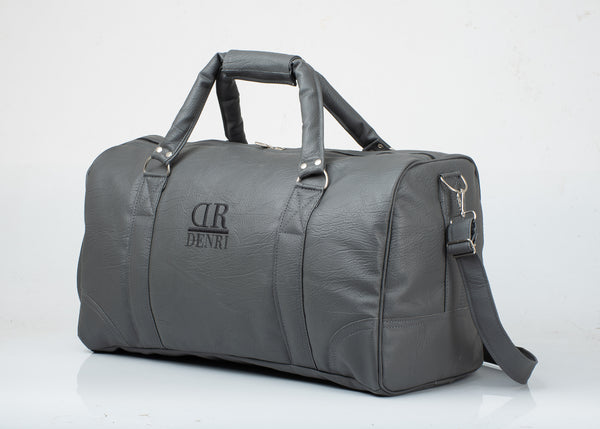
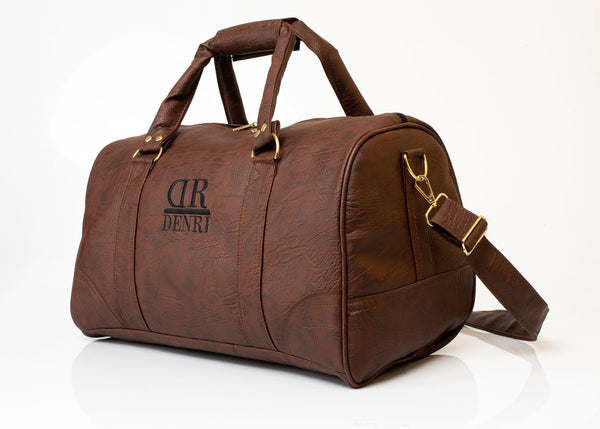
The Denri Safiri Travel Bag is useful within that historical conversation because travel has long provided a natural setting for thinking about how bags accompany movement. The product itself should not be mistaken for a complete representation of Denri's early history, but its place within the wider product story helps demonstrate how functionality remains connected to the brand's identity even as materials and designs evolve.
The important story is not simply that Denri eventually arrived at leather. It is that the brand had to move through different stages to get there. That distinction changes how the finished products are understood. Leather is no longer just a material appearing in a contemporary collection. Within the larger story told at the runway, it represents one stage of a much longer process of experimentation, development and refinement.
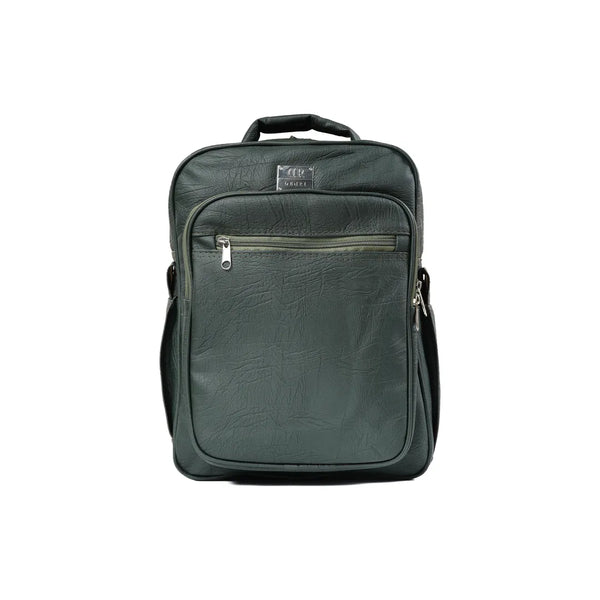
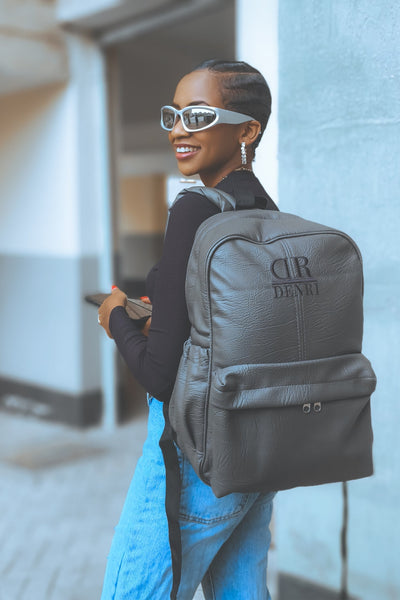
The Denri Pioneer Backpack similarly belongs to the broader conversation about movement and the ways Denri products have been positioned within everyday life. The point is not to turn the history section into a product catalogue. It is to recognise that every product exists within a larger relationship between material, purpose and the people who eventually carry it. That relationship was one of the quiet threads running through the evening.
The People Behind the Name
There is a difference between knowing the name of a brand and knowing something about the people who built it. The first creates recognition. The second creates connection. At Saturday's runway, the co-founders' stories brought that connection into the centre of the evening.
Their presence mattered because the history being discussed was not a distant corporate timeline. It was a lived journey. The decisions that shaped Denri were made by people who had to navigate the uncertainty of building and developing a business. Hearing those experiences in the environment of a runway changed the way the audience could interpret the products being presented.
A bag can be photographed, displayed and described through its appearance. A founder's story introduces another dimension. It explains why the brand kept moving, why its products changed, and why the company continued developing rather than remaining fixed at its earliest stage. Those stories also remind an audience that growth is rarely as neat in real life as it appears in retrospect.
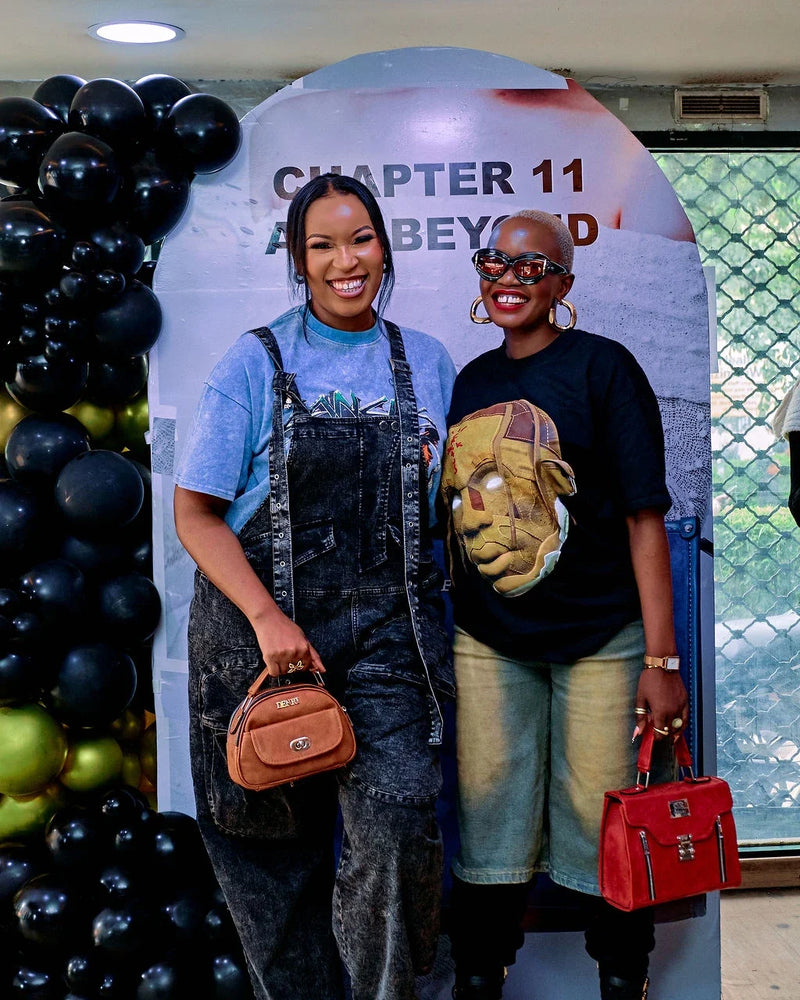
The evening's atmosphere helped make that human dimension even stronger. There was laughter. People shared food and drinks. Guests interacted with one another rather than experiencing the runway as a silent procession of products. Those details might seem secondary when describing a fashion event, but they are actually central to understanding what the night became.
A runway can be technically successful and still feel distant. This one had moments of warmth. The laughter mattered because it interrupted the formality that can sometimes surround fashion presentations. Food and drinks created opportunities for people to remain together beyond the immediate runway moments. The presence of a large crowd meant that the evening was experienced collectively rather than as a private presentation of products to a small room.
That atmosphere also changed the meaning of the stories being told. The co-founders were not speaking into an empty hall. Their memories were being received by a room full of people who had come to experience what Denri had become. The past was therefore meeting the present in real time.
A Room Full of People, A Story Shared Together
The sold-out nature of the event had already established that the audience was there in significant numbers, but attendance alone does not explain the atmosphere of an evening. What matters is what happens when those people occupy the same space and become part of the experience. On Saturday, the room became a meeting point between Denri's history and the people interested in its next chapter.
That collective quality is particularly important for a Kenyan story because the runway was not detached from the market in which Denri began. The audience was watching the brand revisit its own journey from a home-ground perspective. The early material choices, the co-founders' experiences and the transition toward leather were therefore not merely historical facts placed on a screen. They were part of the story of a brand that had developed within the Kenyan environment and eventually grown into a wider East African presence.
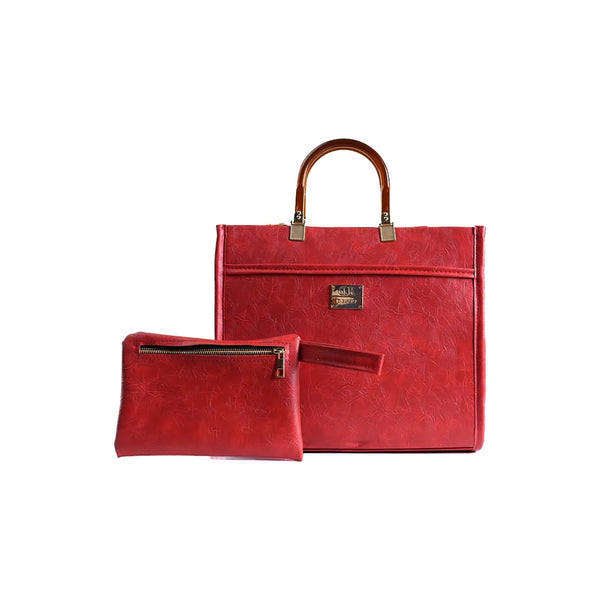
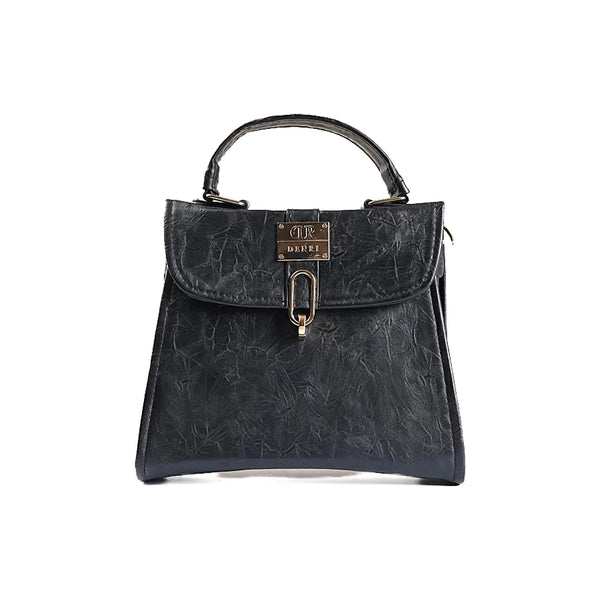
The Denri Claire Handbag provides one example of the kind of contemporary product language that can be understood differently when placed against that history. Rather than looking at a current design as though it appeared without context, the audience could connect contemporary Denri products to the longer process of refinement that preceded them. That is one of the strengths of a runway built around a brand journey. It allows the present to inherit meaning from the past.
The audience could laugh at a remembered moment, listen to a founder describe an earlier stage, and then look toward the runway and see how far the brand had travelled. Those experiences are very different from reading a company history online because the runway adds atmosphere. The story has faces, voices, reactions and a shared room around it.
The Denri Cairo Backpack also fits naturally into the wider conversation about movement that has accompanied Denri's product story. Again, the purpose is not to claim that one product represents an entire era. Rather, it demonstrates how the practical relationship between people and bags remains central even when the surrounding presentation becomes more fashion-focused.
That balance between practicality and presentation is part of what makes the Denri story distinctive. The bags have to work in the world. The runway gives them a moment to be seen differently. And the audience brings those two worlds together.
Looking Back Without Staying There
A history-focused runway can easily become nostalgic. There is always a temptation to spend too much time celebrating where a brand came from because the past is comfortable once the difficult decisions have already been made. Saturday's presentation avoided making the history feel like a final destination because the evening also offered a glimpse toward what comes next.
That future-facing element was important. The story of denim, Ankara and leather explained how Denri had evolved. The co-founders' stories explained who had carried that evolution. The atmosphere demonstrated how many people had become part of the present. But looking toward the future gave the evening its forward motion.
The earlier Denri runway had already established this idea of moving from legacy to present-day design and then into future possibilities. Its Future Forward segment included new and upcoming concepts that generated significant audience interest. The 2026 presentation continued the principle of allowing the audience to see not only what Denri has been, but also the possibility of what it can become.
That matters because a successful history should not become a limitation. The journey from denim to Ankara to leather demonstrates that Denri has changed before. The stories of the co-founders demonstrate that those changes required people willing to make decisions and take the next step. The runway itself demonstrates that the brand is still willing to place its work in front of an audience and ask people to look at it again.
The future, then, is not presented as a rejection of the past. It grows from it. And that may have been one of the most meaningful ideas to emerge from the evening: the history was not being celebrated because the journey was finished. It was being remembered because the journey is still continuing.
That distinction sets up what came next. The audience had seen where Denri began. They had heard from the people who helped build it. They had seen the material evolution that carried the brand from denim through Ankara and into leather. They had shared the laughter, food and drinks that made the evening feel like a gathering rather than a detached presentation. And then the runway turned their attention forward.
The runway did not leave the history behind once the past had been revisited. That was one of the strongest ideas running through the evening. The story of Denri's beginnings, the co-founders' experiences and the movement from denim through Ankara and eventually into leather gave the audience a reason to look at the present differently. What appeared on the runway was therefore connected to everything that had come before it. The official 2026 runway story had already described this second edition through design, movement, identity, sharp silhouettes and bold details, but experiencing the presentation after hearing the journey behind the brand gave those ideas greater context.
That connection between history and what comes next is particularly important for a Kenyan brand that has now moved beyond its first decade. The 2025 runway had already marked ten years of Denri's development, using the Legacy Walk to revisit earlier creations before moving toward contemporary and future-facing designs. The 2026 evening extended that idea by allowing the audience to experience the journey not merely as a sequence of products, but as a story carried by the people who built it and the community that gathered around it.
The Bags Became Markers of the Journey
One of the most effective ways to understand a company's history is to look at the things it has made. Products preserve decisions. They show what a business was experimenting with at a particular point, what materials it was working with and how its understanding of its customers changed over time. At the runway, that relationship between product and history became especially visible because the evolution from denim to Ankara and then leather was not presented as an abstract business progression. It was part of the story the audience had come to experience.
The movement into leather consequently carried more meaning because the audience had already been reminded that it was not where the journey began. The earlier materials formed part of the road toward the Denri identity that is now more familiar. That makes the present range easier to understand. Leather is not simply a material attached to today's products. Within the story told at the runway, it represents one stage of an ongoing process of experimentation and development.
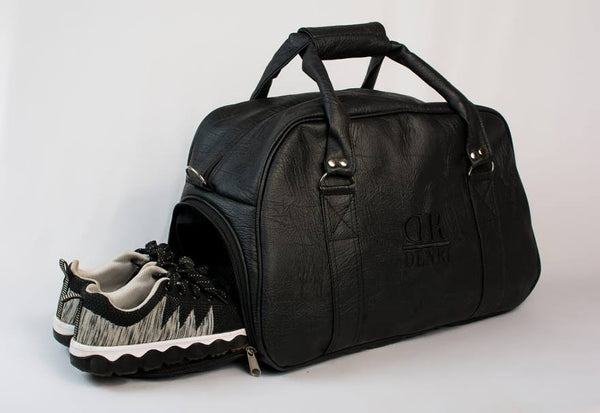
The Denri Standard Travel Bag provides a useful example of how movement remains part of the wider product story. The Denri Jumbo Travel Bag represents another form of travel-oriented carry. Neither needs to be assigned a historical role that has not been established. Their relevance is simply that Denri's product world continues to connect design with the practical circumstances in which bags are carried.
That distinction matters because the runway could easily have become an exercise in looking backwards. Instead, the history created a foundation from which the audience could appreciate the present. The bags were not just evidence of what Denri had made. They were evidence that Denri had changed.
From the Founders' Stories to the Audience's Laughter
The presence of the co-founders gave the history another dimension. A brand journey can be described through years and products, but the people who experienced those years understand that the real process is rarely as straightforward as a finished timeline makes it appear. Their stories brought the human side of Denri into an environment that could otherwise have been dominated by visual presentation.
That human quality was reflected in the atmosphere around the evening. There was laughter. People shared food and drinks. The event was well attended. Those details matter because they show that the runway was experienced as a gathering as well as a fashion presentation. The audience was not simply receiving information about a company. People were spending an evening together around a story that had become large enough to fill a room.
That changes how the history is remembered. A decade of development can sound distant when reduced to a number. Listening to the people behind that development can make the same period feel immediate. The laughter can make a difficult or unexpected memory feel human. The presence of other guests creates a sense that the story belongs to more than the people who founded the company.
That collective element is particularly important for the Kenyan edition because Denri's history is rooted in Kenya. The company's official history identifies its establishment in Nairobi in 2015, making the home market an essential part of understanding the journey that the runway was celebrating.
The event therefore brought several timelines into the same room. There was the early story of the company. There was the decade milestone remembered through the previous runway. There was the first runway itself. There was the second edition taking place on Saturday. And there was the future suggested by the new presentation. The evening worked because those timelines did not have to compete. They could sit beside one another.
When Function Meets the Fashion Moment
The runway also reinforced an idea that has appeared consistently in Denri's event material: the relationship between fashion and the life beyond the stage. The official 2026 coverage describes the event through movement and identity rather than presenting the bags as objects that exist only for visual impact. It also describes the runway as an extension of the environments in which Denri products are already used.
That perspective changes the way a viewer can interpret the designs. A bag can make a strong impression during a runway presentation and still belong to ordinary life afterward. In fact, that transition is part of what makes a product interesting. The runway can amplify shape, structure and presence, but the eventual relationship with the person carrying the bag happens away from the lights.
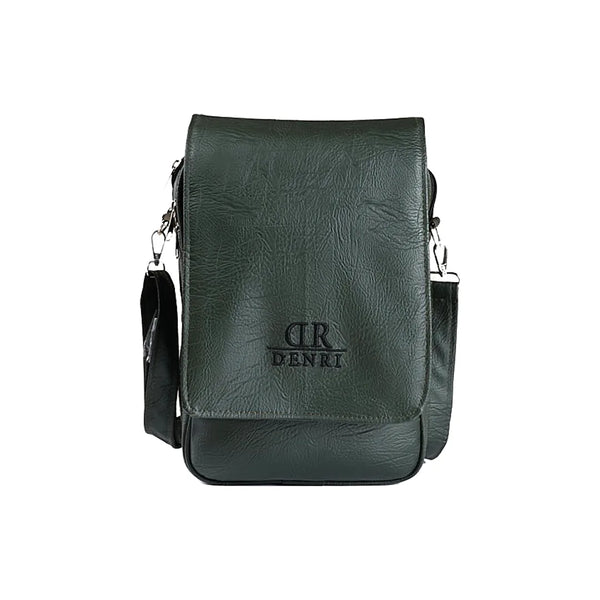
The Denri Jamela Laptop Handbag sits within that broader intersection of presentation and everyday function. The Denri Lola Handbag offers another example of how the catalogue contains designs intended for different forms of daily carry. The point is not to claim that either product defines the runway. It is to show why the event's emphasis on the relationship between design and real life matters.
The most interesting runway pieces are often those that make people imagine where they would take them after the show. That is when an accessory stops being merely something to look at. It becomes something to live with.
The Future Was Part of the Story
Looking toward the future was important because the evening could not end with the history alone. The journey from denim to Ankara to leather explained where Denri had come from, but a runway exists partly because a brand wants to show what it is becoming. The earlier Denri runway had already used a Future Forward segment to move beyond the decade retrospective and give the audience a glimpse of new and upcoming concepts.
The 2026 event continued that future-facing spirit. What matters here is not to attach names or technical claims to designs that have not been officially identified. The meaningful fact is simpler: the evening allowed the audience to look beyond the established history and toward what comes next.
That was an important choice. A brand can celebrate its past so intensely that the past becomes its identity. Denri's runway instead used history as a foundation. The early materials mattered because they demonstrated evolution. The co-founders' stories mattered because they explained the people behind that evolution. The contemporary presentation mattered because it showed where that journey had reached. And the glimpse into the future mattered because it prevented the evening from becoming a closing ceremony for the past.
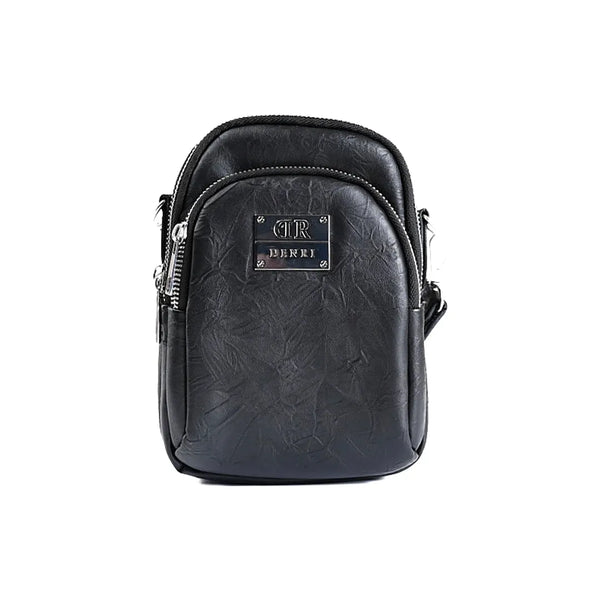
The Denri Mini Zuri Handbag and Denri Moon Sling Bag illustrate the breadth of contemporary categories through which Denri continues to express its design language. They should not be presented as unreleased runway pieces unless the event material specifically establishes that. Their role here is simply to show that Denri's current product world extends across different forms of carry and different interpretations of everyday movement.
That breadth is what makes the future interesting. The next stage does not have to look exactly like the last one. The history has already demonstrated that.
An Evening That Felt Bigger Than the Runway
The food and drinks, the laughter and the number of people who attended might seem like supporting details when compared with the bags and runway presentation. In reality, they explain why the evening can be remembered as an event rather than simply a product showcase.
People experience brands through moments. They remember what they saw, but they also remember who they were with, the conversations that happened around the main programme and the atmosphere that made the evening feel different from an ordinary day. The presence of food and drinks gave guests space to share the occasion. The laughter made the environment feel human. The crowd made the runway feel like a collective experience rather than a presentation happening in isolation.
That matters for a company whose history has increasingly been described through community, relationships and movement. The 2025 runway coverage connected Denri's decade to customers, partners, creators and the wider creative environment around the brand. The 2026 evening gave that idea a physical expression.
The Denri Reo Travel Bag and Denri Zero Travel Bag return us to the idea of movement that sits underneath the event. Travel is one form of movement, but the runway itself created another: people coming together from different parts of their lives to share the same evening and the same presentation. The bags move through people's lives. The stories move through generations of a company. And events like this allow those two forms of movement to meet.
Kenya Saw the Journey Come Full Circle
There was something fitting about seeing the Denri story unfold in Kenya after the brand's first decade had already been celebrated through the previous runway. The 2025 presentation looked across ten years. The 2026 presentation allowed the story to breathe again, this time through the combination of history, founder stories, product evolution, celebration and a glimpse toward the future.
The sold-out event added another layer to that moment. Before the evening began, the official ticket page had already confirmed that every seat for Saturday 29 August was gone. After the event, that fact becomes more than a measure of ticket demand. It becomes part of the memory of a night that brought a large audience together around the Denri journey.
The significance of the home-ground setting is therefore difficult to separate from the event itself. Nairobi is where Denri's documented story began. The brand has since developed beyond that beginning, but the return to a Kenyan audience gives the runway a natural sense of continuity.
The Denri Aria Sling Bag and Denri Aria Pro Sling Bag represent another expression of Denri's continuing product range, where smaller forms of carry sit alongside travel bags, backpacks, handbags and professional designs. Their inclusion here is not about claiming that they were specific runway looks. It is about recognising that the brand's present exists across many different forms of everyday movement.
That diversity makes the history feel alive rather than fixed. Denri did not move from denim to Ankara to leather simply to arrive at one final definition of what a Denri bag should be. The journey itself became part of the identity. And Saturday's runway gave that journey another chapter.
What Remains After the Lights
The most lasting part of a runway is not always the moment when the audience is looking directly at the stage. Sometimes it is the conversation that continues afterward. People leave with particular images in mind. They remember something that made them laugh. They remember a founder's story. They remember how the brand's early products differed from what exists today. They remember the food, the drinks and the people around them. They remember seeing a future that had only been hinted at.
That is what gives an event like this a life beyond its scheduled hours. For Denri, the 2026 runway now belongs to the company's history. The second edition has happened. The audience came. The stories were shared. The journey from earlier materials into leather was revisited. The co-founders' experiences became part of the evening. The room carried the energy of a well-attended gathering, with laughter, food and drinks contributing to the sense of celebration. And the future was allowed a place within the story rather than being treated as something separate from the past.
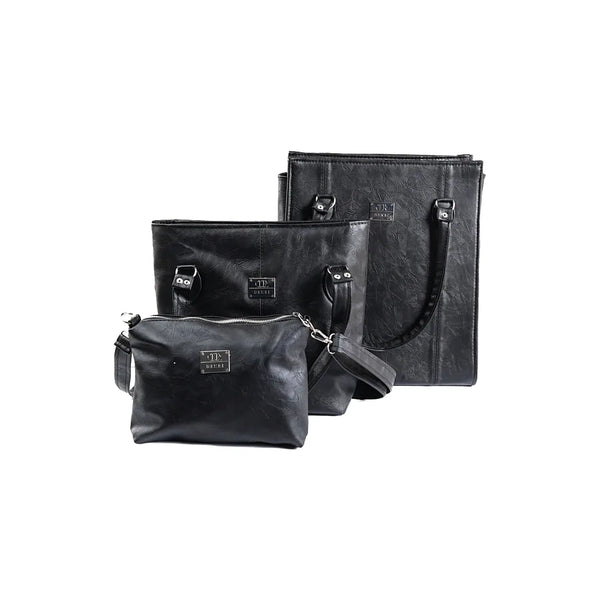
The Denri Kenya Tote Bag and Denri Mandy Handbag belong to the wider contemporary Denri catalogue, but the larger point is that today's products exist because of everything that came before them. Every material change, every design decision and every stage of growth contributes to the context in which the current collection is understood.
The runway therefore did something more valuable than simply displaying bags. It reminded the audience that products have histories. Brands have histories. And those histories are ultimately made meaningful by people.
The Story Continues
Denri's second runway is now another chapter in a journey that began in Nairobi in 2015 and has developed across more than a decade. The evening did not erase the earlier stages of that journey. It brought them back into view, allowing denim, Ankara and leather to become markers of change rather than disconnected moments. The co-founders' stories gave those changes a human voice, while the atmosphere of the evening transformed the presentation into a shared celebration.
The future-facing part of the event then made the direction clear without requiring the past to be abandoned. Denri could look back and still move forward. That may be the most appropriate way to understand a brand whose own history is defined by evolution.
Kenya did not simply host another runway. It watched a homegrown story return to the stage after its first decade had already been celebrated, with a second edition that showed the journey was still unfolding. The sold-out room, the shared laughter, the food and drinks, the stories from the people behind the brand and the glimpse toward what comes next all became part of that unfolding history. And when the lights went down, the story did not end. The bags returned to the lives they were designed to enter. The memories returned with the people who had shared the evening. And Denri left the runway with another chapter added to the journey.