
Where Design Meets Daily Life: The Denri Bags Made for Kenya
Every useful piece of design begins with an understanding that life does not stay inside neat categories. Work overlaps with family responsibilities, professional meetings sit beside errands, and a day that begins with one plan can end somewhere completely different. In Nairobi, this reality is particularly visible in the way people move between offices, campuses, businesses, creative spaces, shopping areas, and social commitments. What a person carries therefore has to fit into a life that is constantly changing rather than serving only one carefully defined occasion. This is where the relationship between creativity and everyday function becomes important because a beautiful object becomes more meaningful when it remains useful after the moment of first impression has passed. Denri's own product storytelling repeatedly places that relationship between style, organisation, movement, and everyday use at the centre of its bags.
When Collaboration Begins With Listening
Collaboration is often described as something that happens between creative professionals, but its influence can extend much further than a studio or workshop. A designer brings a visual perspective, a maker understands materials and construction, a retailer sees how customers respond to different options, and the person carrying the finished product introduces another perspective entirely. Each viewpoint reveals something that another participant may not see on their own. The strength of collaboration comes from allowing those different observations to meet rather than forcing every decision through a single perspective. Denri's discussion of collaboration within Kenyan fashion similarly presents partnerships as a way for businesses and creative professionals to exchange specialised knowledge, share audiences, and strengthen confidence in Kenyan-made products.
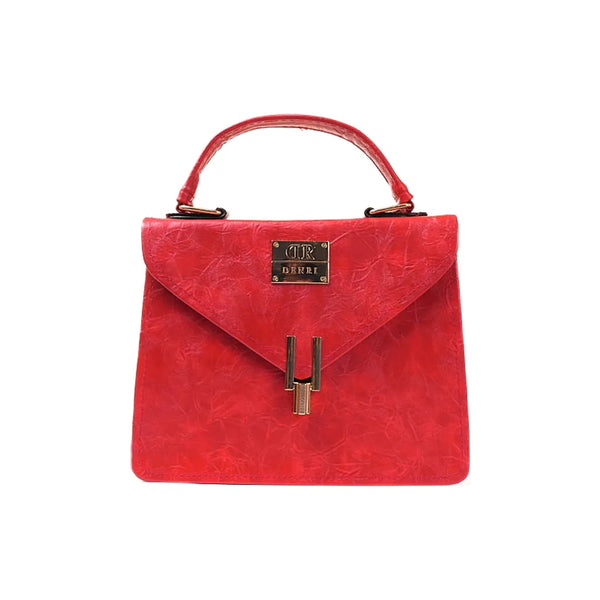
That principle becomes easier to understand when looking at products that occupy different parts of everyday life. The Denri Aurora Handbag is presented by Denri as a handbag with a metallic finish, intricate hand stitching, a spacious interior, detachable straps, and a metallic-finish clutch, giving it a clear relationship between visual detail and practical carrying. The Denri Val Tote Bag is described in Denri's own editorial material as having a spacious interior, pockets and compartments, while retaining a sleek appearance.
What matters here is not simply that two bags have different forms. It is that people have different reasons for needing different forms in the first place. A tote can become useful when the day involves several essentials and a person wants them gathered within one larger carry, while a handbag can serve a different relationship between personal belongings, presentation, and movement. Those distinctions are part of what makes product development an ongoing conversation rather than a single creative decision. The person using the bag ultimately determines whether its organisation makes sense within the rhythm of a real day. That lived experience gives practical meaning to ideas that might otherwise remain abstract design language.
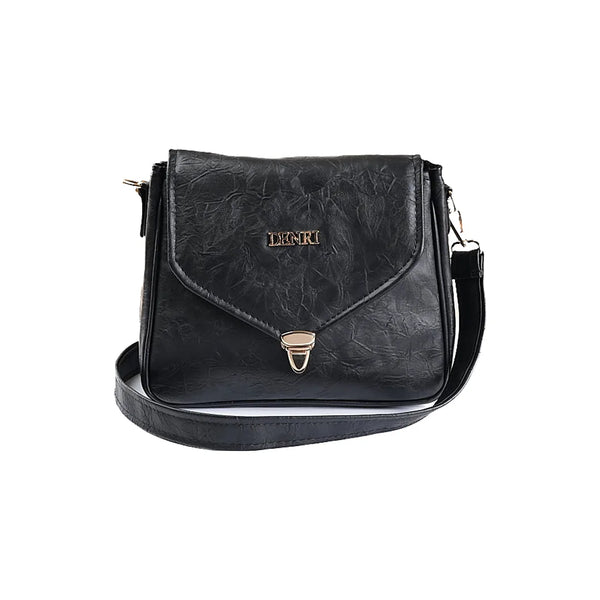
The Denri Cleo Handbag provides another example of how different silhouettes can occupy different roles within an everyday wardrobe. Its presence in Denri's product range demonstrates that the conversation around bags is not limited to one definition of functionality or one type of user. A person's needs can change according to where they are going, what they are carrying, and how they want the accessory to fit into the rest of their day. That is why a broad product range can be understood as a response to different patterns of movement rather than simply a collection of unrelated designs. The more varied those patterns become, the more important it is for design to recognise that usefulness does not look identical for everyone.
The Details That Become Visible Through Everyday Use
Good design becomes easier to understand once an object leaves the controlled environment in which it was created. A product may look convincing when viewed in isolation, but daily use introduces questions that photographs and displays cannot answer by themselves. How easily can someone reach what they need, how does the bag fit into the rest of their routine, and does its organisation make sense when the pace of the day changes? These are practical questions, but they are also creative questions because they influence whether a design continues to feel relevant after its initial appeal. Everyday use therefore becomes another form of feedback, revealing the relationship between an object and the person who depends on it.
This is particularly important for bags because they accompany people through repeated transitions. A handbag can move from a morning commute to a meeting and then into an evening setting, while a work-oriented design may spend much of its life moving between offices, homes, and shared workspaces. A travel-oriented piece faces another rhythm because the requirements of a journey are different from those of a normal workday. The design conversation becomes richer when these different realities are recognised rather than treated as minor variations. It allows functionality to become part of the identity of a product instead of something added after the visual concept has already been established.
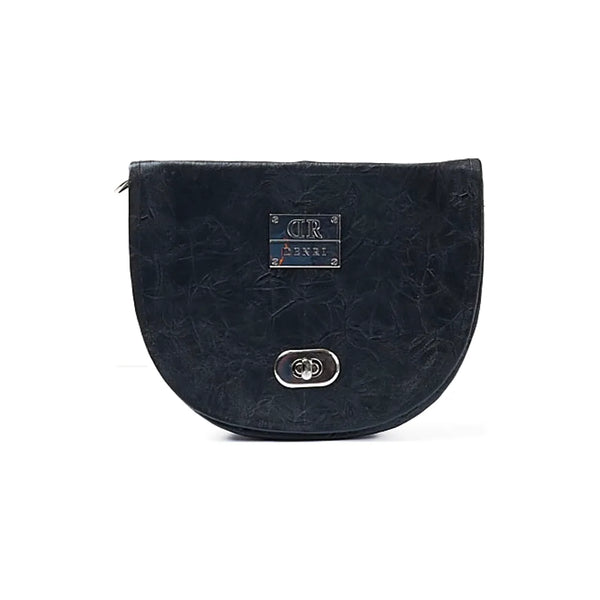
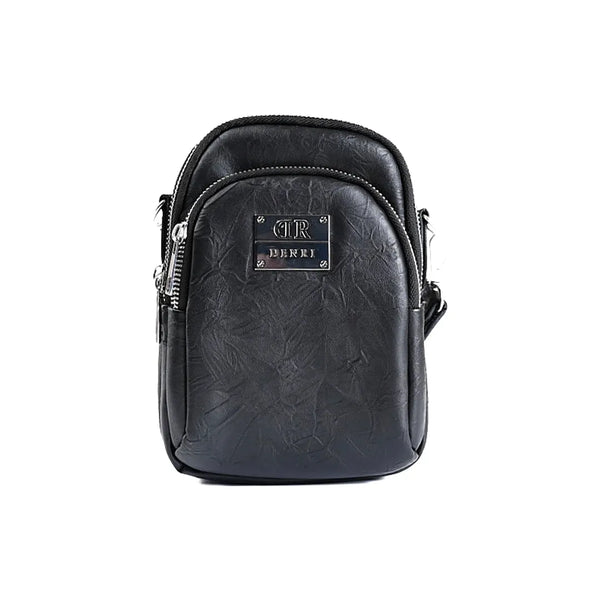
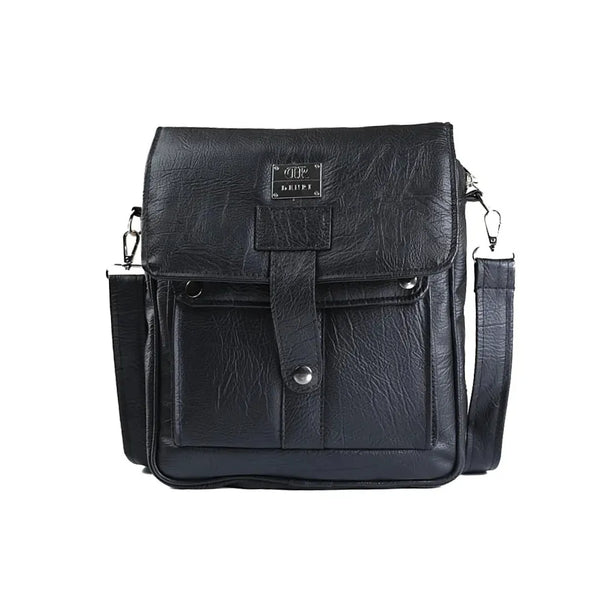
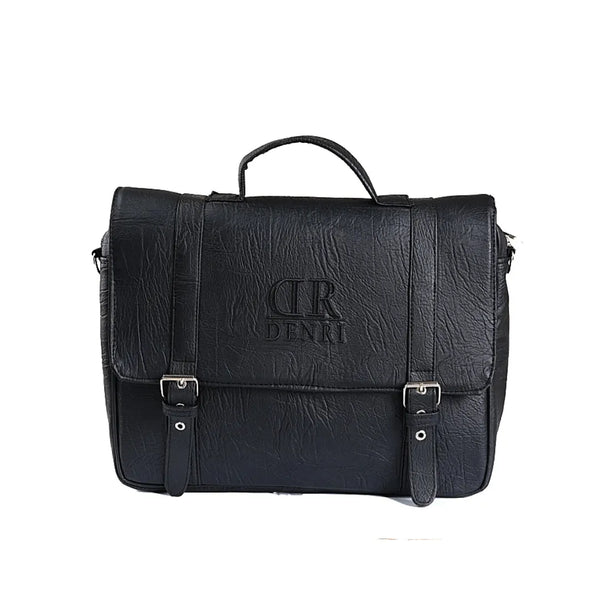
The Denri Aria Sling Pro represents a more compact approach to carrying, while the Denri Jade Briefcase occupies a more structured professional category. Denri's range therefore illustrates how the same broad idea of carrying personal belongings can lead to very different forms depending on the context.
The distinction matters because modern Kenyan life rarely follows one fixed pattern throughout the day. Someone may spend the morning handling professional responsibilities and the afternoon moving through a completely different environment. Another person may divide their time between study, work, family commitments, and personal errands without having the opportunity to change what they are carrying at every transition. A compact design can therefore answer one kind of movement while a structured briefcase can answer another. Neither has to replace the other because their usefulness emerges from different circumstances.
The Denri Amaya Handbag demonstrates another interpretation of flexibility, with Denri describing it as a 3-in-1 accessory that can be carried as a handbag, shoulder bag, or crossbody. That range of carrying options matters because versatility can reduce the need for a person to organise their day around the limitations of a single carrying style.
Design becomes meaningful when those small decisions make movement easier without demanding constant attention from the person using the product. The goal is not necessarily to make an accessory complicated, but to make its relationship with everyday life feel natural. When organisation, carrying options, and visual character work together, the product becomes easier to integrate into changing routines. That is one reason collaboration matters so much in product development because different perspectives can identify different forms of friction. The finished design can then respond to a broader understanding of how people actually move rather than to an imagined version of daily life.
From Campus Days to Professional Spaces
The transition from education into professional life is one of the clearest examples of how carrying needs can change over time. A student may move between lectures, study sessions, social spaces, and transport throughout the same day, often carrying several categories of personal and academic essentials together. As professional responsibilities develop, the same person may begin moving through meetings, offices, client conversations, and other work environments where organisation takes on a different significance. The change is not simply about choosing a more formal-looking accessory. It is about adapting what is carried to a new rhythm of responsibility.
The Denri Claire Handbag has also appeared in Denri's work-bag material as an option for people looking for a balance between fashion and everyday use. Denri's current product content similarly positions the Claire alongside other work-oriented handbags rather than treating professional carrying as a purely utilitarian category.
That balance matters because professional identity does not require personal expression to disappear. People still want their belongings to feel connected to their individual preferences while meeting the practical demands of work. This is where good design avoids the false choice between appearance and usefulness. A structured accessory can feel appropriate in a professional environment without becoming disconnected from the rest of someone's life. The strongest designs often occupy that middle ground, allowing people to move between responsibilities without feeling as though they need a completely different identity for every setting.
The Denri Elyse Handbag provides another example from Denri's range, where the product is described as a 3-in-1 accessory with multiple pockets and storage.
What makes this relevant to collaboration is the recognition that flexibility is itself a design requirement. A product does not become versatile simply because versatility is written into its description. Its usefulness comes from whether its forms of carrying and organisation correspond with the situations in which people actually use it. That is why feedback, observation, and repeated use matter to the broader design conversation. They provide evidence about whether a product's intended role translates successfully into everyday life.
From Nairobi's Movement to Everyday Kenyan Carrying
Nairobi provides a particularly vivid setting for thinking about movement because the city brings different forms of work and activity into close proximity. Corporate districts, universities, creative businesses, retail spaces, residential neighbourhoods, and social destinations create a constantly changing urban rhythm. A person's day may therefore involve several different environments without any of them being the final destination. What appears suitable in one setting may feel inconvenient in another, which makes adaptability increasingly important.
The city's creative economy also brings together people whose working patterns are not necessarily conventional. Designers, photographers, entrepreneurs, consultants, students, digital professionals, and business owners may all organise their days differently. Some carry technology, documents, notebooks, and personal belongings together, while others need lighter arrangements that allow them to move quickly between locations. These differences create opportunities for design to become more responsive to real patterns rather than relying on a single definition of the modern user.
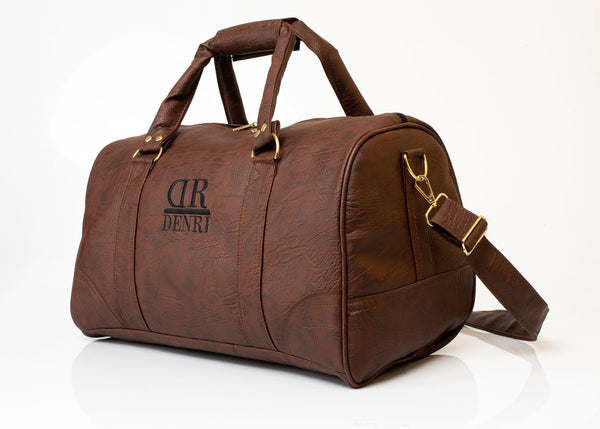
The Denri Satchel Laptop Bag belongs to a category where professional carrying and everyday mobility meet, while the Denri Fabela Travel Bag addresses a different relationship with movement. Denri's wider range similarly includes laptop bags, travel bags, handbags, backpacks, and smaller carrying options, reflecting the variety of situations in which its customers may need an accessory.
The difference between these categories is not merely a matter of size. Each one reflects a different question about what the user needs to accomplish while carrying it. A work-oriented bag needs to coexist with professional routines, while a travel bag enters a different environment where movement, packing, and changing destinations become more important. The fact that both exist within the same product ecosystem illustrates how design can respond to multiple patterns of life without reducing them to one formula. This is where a broad portfolio becomes useful because it gives different people the opportunity to find an option that fits their particular routine.
For shorter and more flexible movement, the Denri Fanny Pack offers another carrying format within the same wider ecosystem. The Denri Mini Man Bag provides a separate compact option for carrying everyday essentials.
These smaller formats are reminders that functionality does not always mean carrying more. Sometimes it means carrying only what is necessary and keeping it close while the rest of the day remains unrestricted. That distinction becomes particularly important in urban environments where people are constantly changing direction, entering different spaces, and responding to unexpected plans. The most useful accessory is therefore not necessarily the largest one. It is the one whose form makes sense for the life surrounding it.
When Product Design Becomes Part of the Everyday Story
A successful design does not need to announce itself every time it is used. Its value can become visible through repetition, as the same bag accompanies someone through ordinary mornings, demanding workdays, weekend movement, and the small transitions that make up a larger life. This is where the relationship between product and user becomes more interesting than the initial moment of purchase. An accessory begins as a designed object, but repeated use gives it personal context that cannot be manufactured in a catalogue.
This also explains why collaboration should not be understood only as a meeting between creative professionals. The person who carries the final product becomes part of the longer story because their experience reveals what works and what matters. Customer reactions, product reviews, changing routines, and everyday use can all contribute to a more complete understanding of what people expect from the things they carry. Denri's current editorial content explicitly connects product design with everyday movement, organisation, and the different ways people use bags in their lives.
The Denri Nina Handbag illustrates this idea particularly well because Denri describes it as a 4-in-1 set consisting of a main tote, clutch, purse, and cardholder. The Denri Charlotte Handbag, meanwhile, is presented in Denri's editorial content as a compact, structured option with a distinct role in more polished settings.
These products show that personal organisation can take very different forms. One person may value several coordinated pieces that divide belongings according to purpose, while another may prefer a more compact design that keeps the focus on essentials. Neither approach is automatically better because the value comes from how closely the design fits the person's routine. This is precisely where a customer becomes more than a purchaser. Their habits provide information about how different forms, compartments, carrying methods, and proportions work in the real world.
The Denri Roza Handbag is another example of the variety within Denri's handbag range, having previously been described by Denri as a sophisticated, vintage-inspired option suitable for office use.
That variety reinforces a central point about modern accessory design: there is no single version of functionality. A person may define usefulness through storage, another through versatility, another through portability, and another through the way a bag fits into a professional wardrobe. Design becomes stronger when those differences are recognised instead of flattened into one generic idea of what customers want. Collaboration provides a way of bringing those perspectives together, particularly when businesses remain attentive to the relationship between products and the people who use them.
Designing Beyond the Moment
The strongest product conversations continue after a launch because everyday life keeps changing. Technology changes what people carry, professional routines change where people work, and personal schedules change how often people move between different environments. A design that remains useful has to exist within that changing context rather than assuming that today's routine will remain fixed forever. This does not mean every product needs to become complicated or endlessly redesigned. It means the thinking behind design should remain open to what people are actually experiencing.
That openness is especially relevant to Kenyan businesses operating within a creative economy where collaboration can connect different areas of expertise. Denri's own discussion of Kenyan fashion describes collaboration as a means of exchanging specialised knowledge and strengthening the wider ecosystem around local products. The value of that approach lies in its ability to move the conversation away from isolated creativity and toward a more connected understanding of how products are imagined, made, presented, and eventually used.
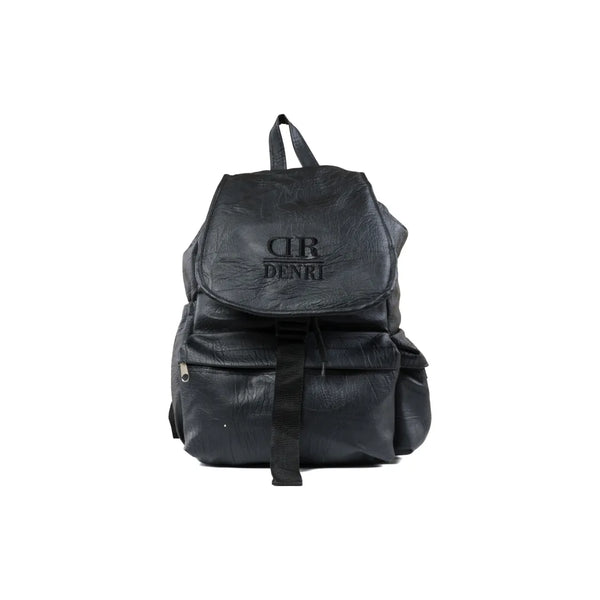
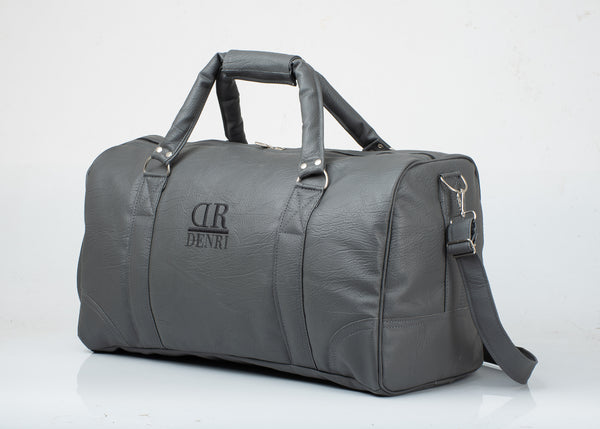
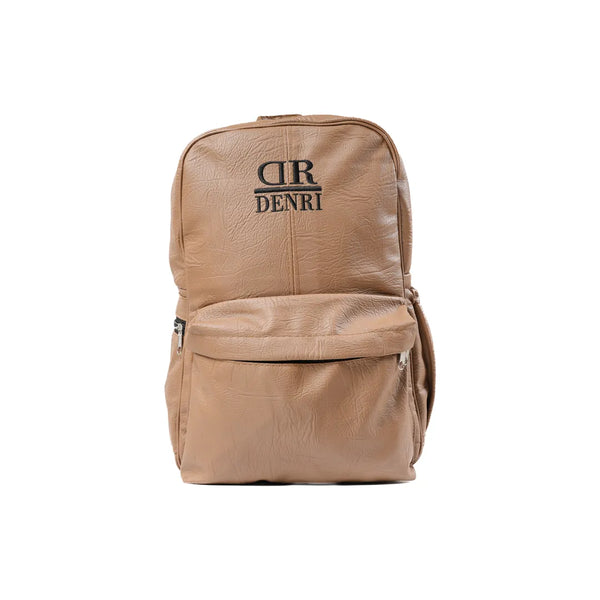
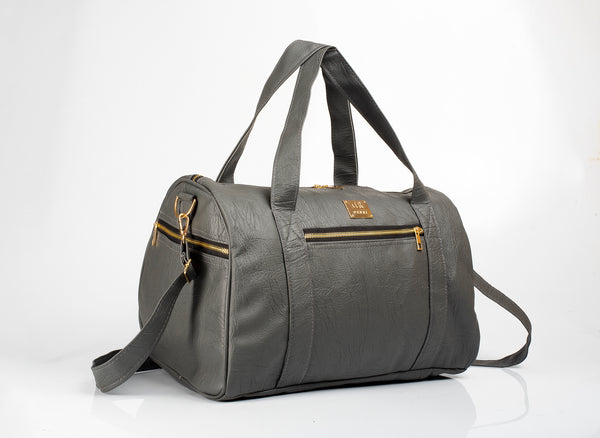
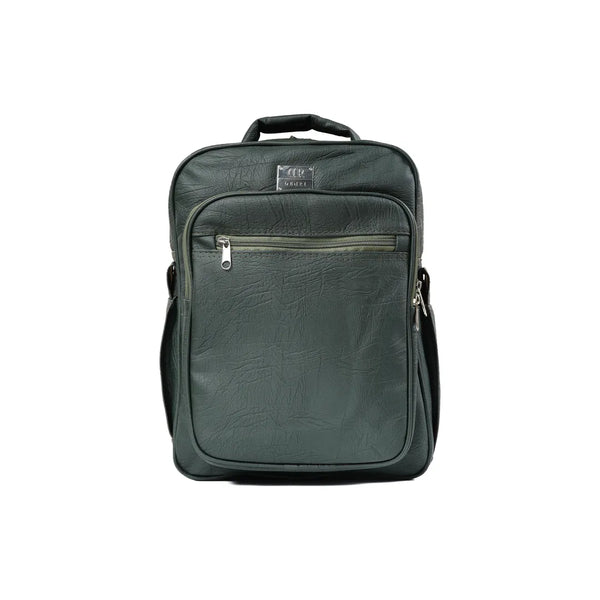
The Denri Cairo Backpack is a useful example of how everyday mobility can sit within this wider conversation, while the Denri Double Press Backpack represents another backpack format within Denri's broader range. Denri's editorial material has also discussed backpacks in relation to modern movement and the need to keep everyday belongings organised. The same principle applies to travel. The Denri Bonita Travel Bag belongs to a category designed around journeys rather than ordinary office routines. The Denri Kaz Travel Bag similarly appears within Denri's current travel range as a compact travel-oriented option with multiple pockets and an adjustable strap.
Travel makes the importance of practical design especially visible because a journey compresses many needs into a limited amount of space. What a person packs, how easily they can reach it, and how the bag fits into the movement of the journey all influence the experience. The same person who chooses a professional handbag for an office day may make a completely different choice when leaving Nairobi for a longer trip. Good product design acknowledges those differences instead of trying to make one object perform every possible role.
Where Creativity Meets the People Who Carry It
The most valuable lesson from collaboration is that design does not belong exclusively to the person who first imagines it. It becomes richer as different people bring different forms of knowledge into the process. A creative professional may see shape and proportion, a maker may understand construction, a business may understand customer demand, and the user may understand what happens when the product becomes part of a real routine. None of these perspectives has to cancel the others. Together, they create a more complete picture of what a useful and meaningful product can become.
The Denri Lola Handbag demonstrates this everyday orientation within Denri's range, with Denri describing it as a tote-style handbag with internal pockets and capacity for a laptop of up to 13 inches. The Denri Safiri Backpack represents another approach to movement through a backpack format suited to a different pattern of carrying.
Neither product needs to represent every possible user to be meaningful. Their value comes from giving particular people a form that corresponds with particular routines. That is the practical side of a diverse design philosophy. Instead of asking one product to represent everyone, a broader range can recognise that people carry different responsibilities, travel different distances, work in different environments, and organise their belongings in different ways.
You may also like
View All
Choosing School Bags for Children: How Denri Designs Around What They Carry
Finding the best school bag comes down to understanding what your child carries each day. Learn how to compare capacity, compartment layout, padded straps, and water resistance to select a Denri school bag that fits your child’s actual routine.
Custom Branded Bags in Kenya: What to Consider Before Ordering with Denri
What Your Bag Actually Needs to Carry: A More Useful Way to Choose a Denri Bag