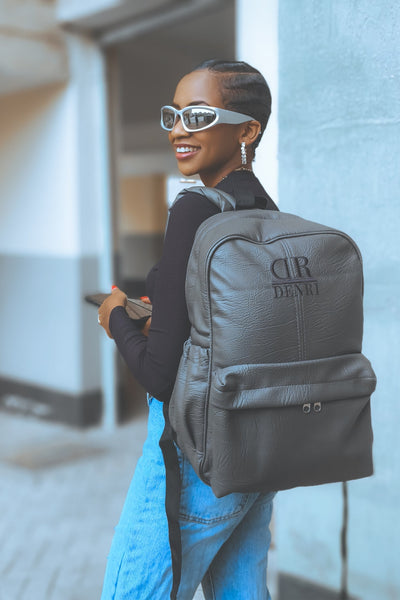

The Quiet Logic Behind the Bags We Choose for Work and Everyday Use
There is a strange quiet that settles over people when they think about what they choose to take with them, especially on days that need something more than just hands and intent. In those reflective moments, people find themselves weighing not only objects, but what those objects represent. Some items are functional. Others offer assurance. A few hold memory. What we carry can trace a map of our priorities without ever making an announcement.
In a world that often asks for constant adjustment and prioritization, the choice of what goes into a bag can feel like an unspoken statement of self. The bag becomes not just a container, but a curator of the day’s logic; what matters, what can be left behind, what needs to be easily reached, and what only needs to sit there, unexamined until later. There is an unnamed discipline in this act. It is not dramatic. It is quiet. It is intentional.
Understanding this quiet logic enriches how we read our own lives. It reveals the rhythms of each day, and how people respond to the unseen demands that shape them.
Ordered Intentions Before the First Step
Many people begin their days with a kind of inner inventory. Not a check-list, but a calm awareness of what feels necessary. There is a discipline to this, a sense of responsibility that belongs neither to vanity nor to unconstrained optimism. It is about readiness.
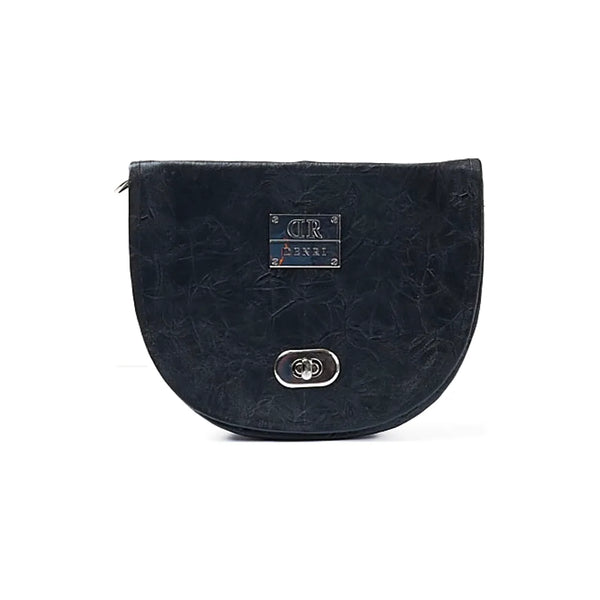
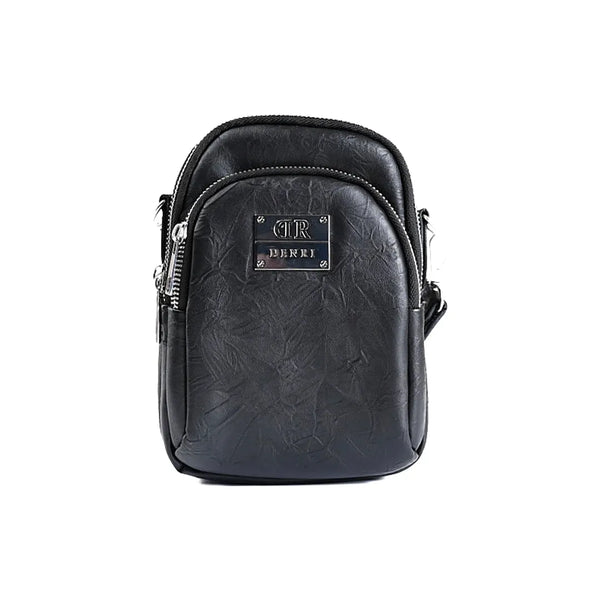
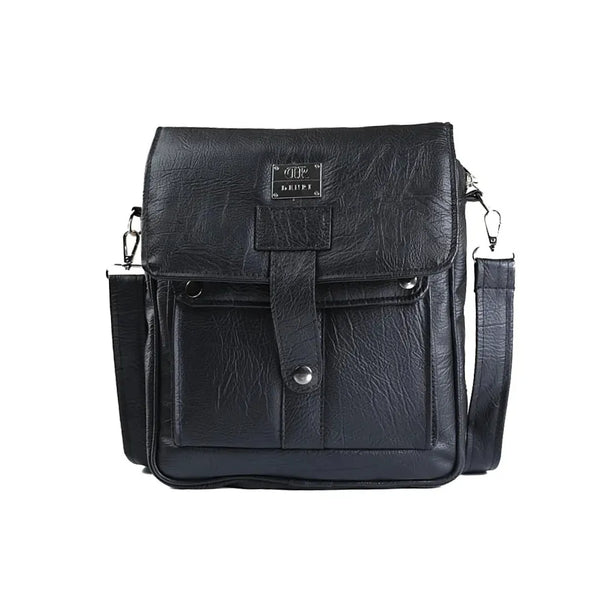
In this space of preparation, a bag like the Denri x Manyatta Crossbody Bag enters naturally. Compact yet thoughtfully partitioned, it carries essentials that matter most when the day begins in earnest. The wallet sits beside the phone in its own space. A notebook slips into a pocket meant for it. Somewhere inside, a pair of sunglasses rests comfortably, ready for later. Here the bag supports intention through organization.
On other mornings where efficiency matters more than capacity, people might lean toward the Denri Aria Sling Bag. Its lightweight silhouette accommodates what a person truly needs; keys, wallet, phone, small personal items, without forcing a choice about what must be left behind. It sits close and stable, asking only to support the carry, not to be admired for its presence.
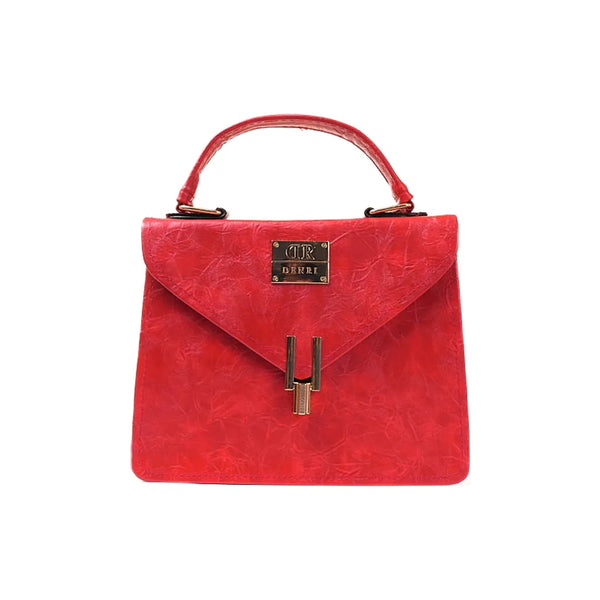
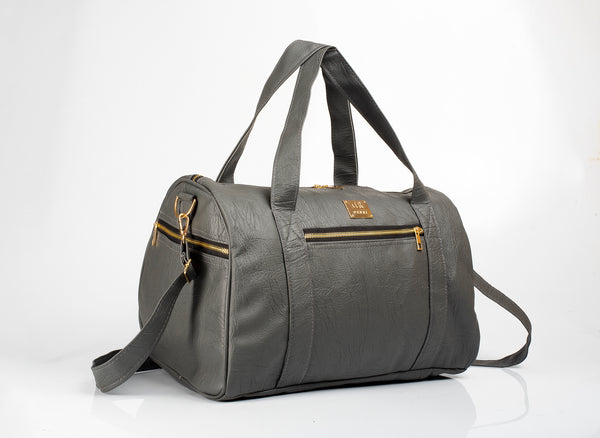
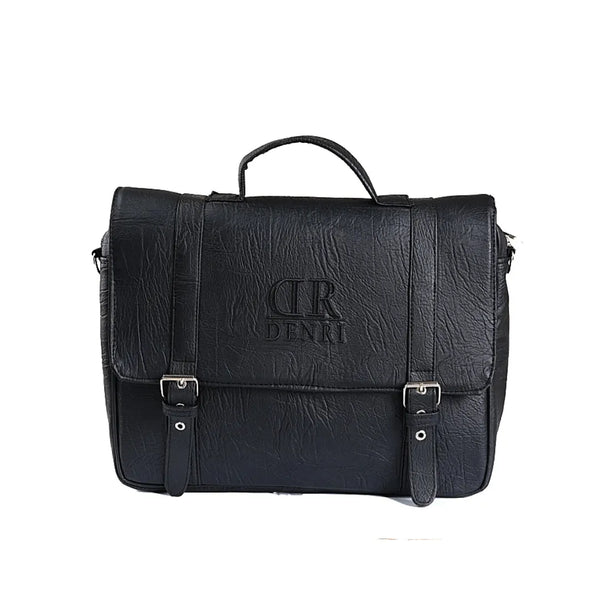
And then, there are mornings that demand both calm and readiness for complexity. The Denri Claire Handbag stands ready for these moments. Its 3-in-1 nature allows a transition from briefcase to shoulder bag without hesitation. Its interior holds more than essentials. It holds potential for meetings, errands, unforeseen changes to the day’s shape.
What people choose to carry before stepping out reflects not only what they expect from the day, but also how they want to relate to it.
Confidence Within Movement
Movement is not always physical. Sometimes it is internal. A shift of focus. A moment of decision. A change in direction after a conversation. In these instances, the bag remains in the background, doing its work while the mind navigates forward.
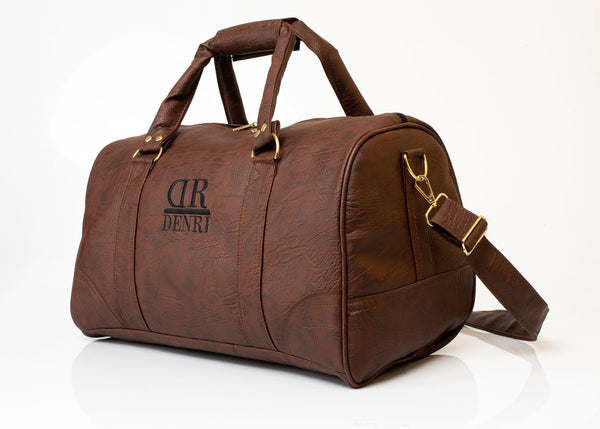
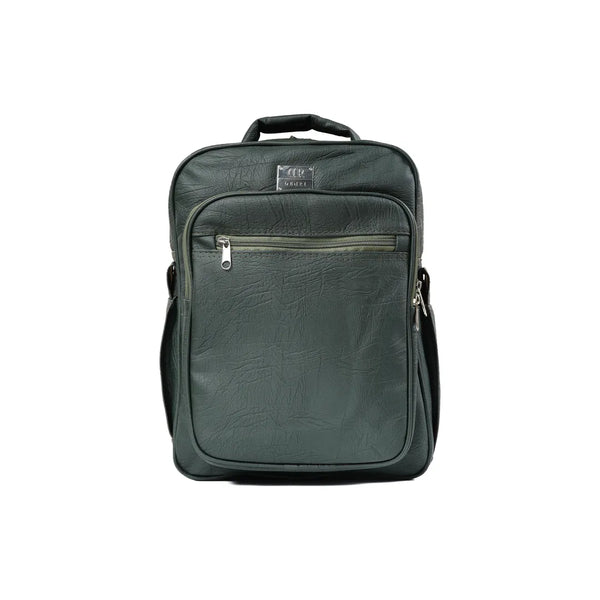
There are days that call for a simultaneously deliberate and light approach to carrying. On such days, the Denri Man Bag often becomes a quiet companion. Designed with adaptable pockets and an adjustable strap, it accommodates the essentials needed for professional and personal tasks alike without forcing the wearer to compromise comfort. The wallet, phone, pen, a small notebook, each item finds its place without interfering with the person’s presence.
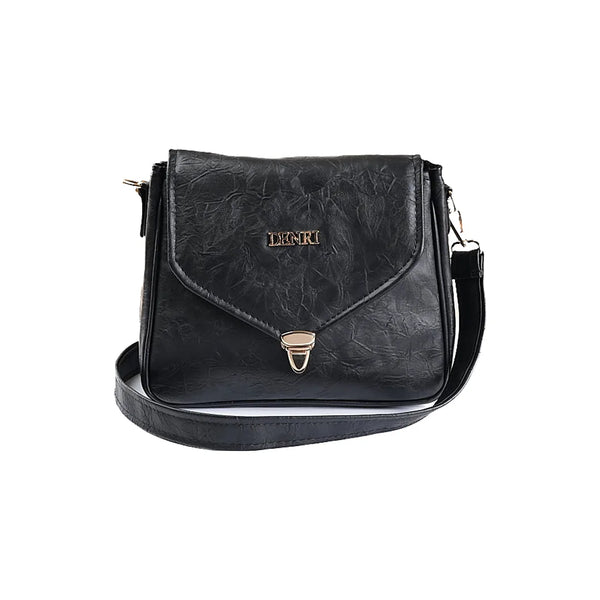
For those whose presence remains fluid between brief engagements and casual encounters, the Neo Manbag offers a subtly structured alternative. Its clean silhouette invites confidence. It sits comfortably against the side without demanding a shift or adjustment. A day that asks for connection from a meeting to a coffee with a friend, finds steadiness in its design.
Sometimes, confidence is not about how much one carries, but how well what is carried complements the moment. A bag that stays in the background allows the person carrying it to remain fully present in the experience unfolding around them.
Unseen Roles That Demand Quiet Support
Many roles are invisible to others but define the rhythm of a day. The caregiver who carries comfort items for others. The professional who holds documents for later review. The parent who tucks little extras into pockets without fanfare.
When such roles shape the hours, carrying becomes a form of quiet support rather than active assertion. In these moments, the Sierra Handbag often finds purpose. Spacious yet refined, it carries not just what belongs to one person, but what belongs to a shared life; a diary for later reflection, a water bottle slipped into a side compartment, pens, receipts, and notes that will matter only at the right moment.
Even when movement seems incidental, the bag becomes a backdrop to the unseen tasks being completed. It supports these tasks without calling attention to itself. It stands ready for what lies ahead.
In this way, carrying becomes not just functional, but quietly relational.
The Weight of Tomorrow Today
Every evening invites its own kind of reflection. The bag that was chosen in the morning is placed down, its contents unpacked and reviewed. What was carried out of necessity returns to its space, waiting for another day. In this quiet transition, people often notice how much their choice affected the feel of the day.
There are bags that feel best at this stage of reflection. A piece like the Denri Tote Bag which is simple yet capable, embodies the logic of closure without heaviness. It rests without demanding attention. Its handles soften as they settle into place. Items are removed and set aside, each telling its own piece of the day’s story.
What remains at this stage is not only the memory of where the day went, but how it felt to carry what mattered. The bag becomes a silent participant in this memory, a companion that bore practical details without distraction.
The Quiet Confidence of Being Ready for Tomorrow
By the time the day closes, preparation rarely feels dramatic. It shows itself in small, almost invisible habits that quietly shape how tomorrow will begin. A bag placed in its usual spot. Items returned to their compartments. Receipts folded away. Devices charged. These actions may appear routine, yet they reflect something deeper than organization. They represent readiness.
Over time, people begin to notice that readiness is not built in moments of urgency. It is built in calm moments, often at the end of long days, when there is space to reset. The act of placing essentials back into a bag becomes a form of mental closure. What was scattered throughout the day returns to order, allowing the mind to rest without carrying unfinished tension into the next morning.
This is where thoughtfully designed bags continue to play their role, not loudly, but consistently. Compartments begin to reflect personal patterns. One pocket becomes the home for keys. Another holds daily tech. A small section keeps personal items secure and easy to reach. These patterns reduce friction, and over weeks and months, they shape how smoothly each new day begins.
In many ways, preparation becomes less about the items themselves and more about the confidence they create. Knowing that everything needed for tomorrow is already in place removes the quiet stress that often accompanies busy schedules. It allows mornings to begin with clarity rather than urgency. Instead of rushing to gather what was forgotten, people move forward already organized.
This sense of preparedness is especially meaningful in lifestyles that continue to evolve. Responsibilities grow. Roles shift. New routines replace old ones. What remains constant is the need for reliability. A dependable bag becomes part of that stability, adapting as life changes while maintaining the structure that keeps daily movement manageable.
Even emotionally, there is comfort in consistency. Familiar textures, reliable straps, and well balanced storage create a sense of control within otherwise unpredictable schedules. These are not dramatic advantages, yet they are deeply practical. Over time, they help transform preparation from effort into instinct.
There is also a subtle mindset shift that develops alongside these habits. People begin to carry with more awareness. Items that once filled bags unnecessarily are gradually removed. Only what adds value remains. This quiet refinement does not happen overnight. It happens through repetition, through noticing what is actually used, and through letting go of excess.
The result is not just a lighter bag, but a clearer routine. Days begin to feel more intentional because what is carried aligns with how life is actually lived. Preparation stops being reactive and becomes purposeful.
This intentional approach also affects how people transition between different parts of their lives. Work essentials remain organized without blending into personal space. Daily tools stay accessible without creating clutter. Movement between environments becomes smoother because the structure already exists within what is carried.
As weeks turn into months, these patterns become part of personal identity. Preparation reflects discipline. Organization reflects clarity. Reliability reflects self trust. A well-prepared bag quietly supports all three.
And perhaps this is where the deeper value of everyday carry reveals itself. It is not about style alone, and it is not about storage alone. It is about continuity. It is about knowing that no matter how schedules shift or responsibilities grow, there is always a steady starting point.
Tomorrow will bring its own pace, its own demands, and its own unexpected turns. Yet preparation ensures that those moments are met with readiness rather than hesitation. The bag waiting by the door becomes more than a practical tool. It becomes a small symbol of consistency within changing routines.
In the end, the most dependable routines are not the ones that demand attention. They are the ones that quietly support progress, day after day, allowing life to move forward with confidence and calm.
You may also like
View All
Beyond the Bag: How Denri Connects Customer Service with Better Bag Choices

The Wins, The Lessons, The Year, and the Bags That Carried It All
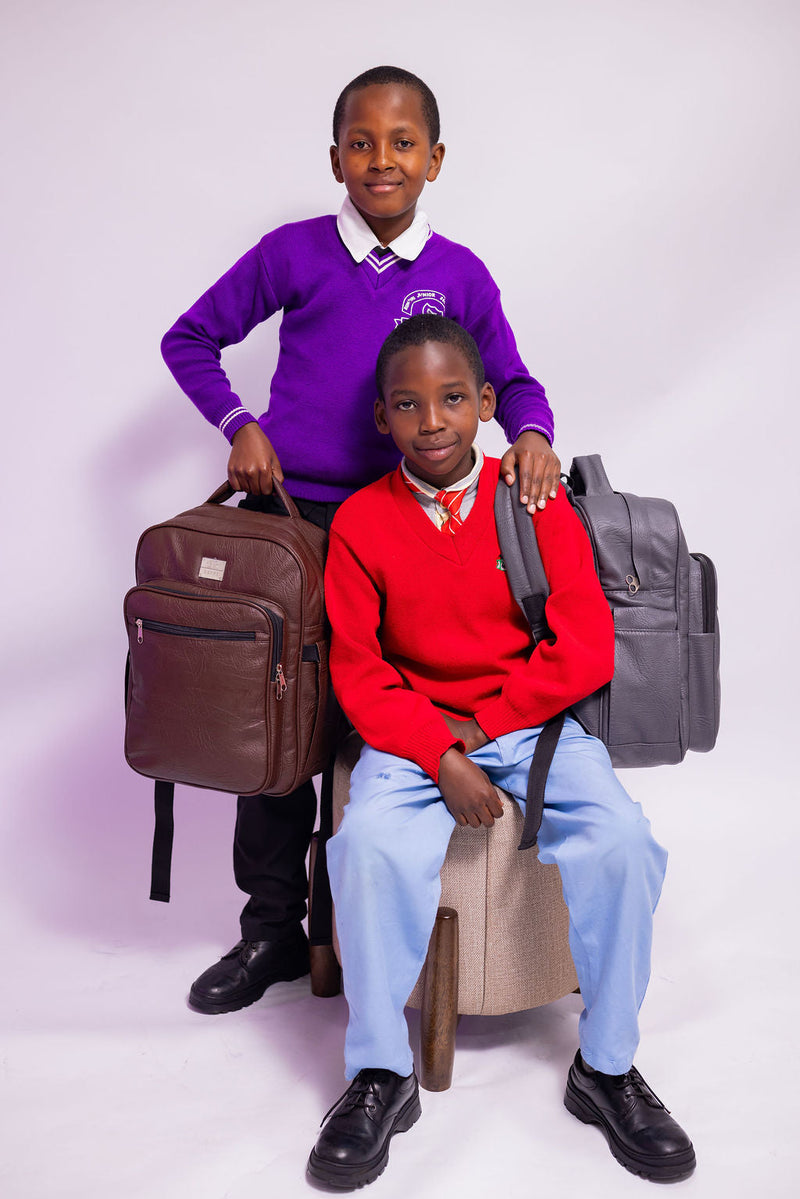
Choosing School Bags for Children: How Denri Designs Around What They Carry
Finding the best school bag comes down to understanding what your child carries each day. Learn how to compare capacity, compartment layout, padded straps, and water resistance to select a Denri school bag that fits your child’s actual routine.