
What Stays With You Long After the Day Has Been Spent
Some things earn their place in your life not by standing out, but by staying. They remain useful when novelty fades. They continue to make sense even when routines change. Over time, they stop feeling like choices and begin to feel like constants, quietly present through ordinary days that never ask to be remembered yet somehow matter deeply.
This is often how people relate to the things they carry. Not with excitement or attachment, but with trust. A bag becomes part of the background of daily life, close enough to be relied on, subtle enough to be forgotten until it is needed. In a world that asks for constant decision-making, this kind of reliability feels grounding.
There is a comfort in knowing that what you reach for each morning will meet the day with you, without resistance or complication. It allows attention to move outward, toward work, toward family, toward the small responsibilities that quietly hold everything together.
The Shape of Everyday Responsibility
Daily life has a shape to it, even when it feels unstructured. Mornings begin with preparation, afternoons fill with movement between obligations, evenings soften into something quieter. Through all of this, responsibility is carried in many forms, some visible, some internal.
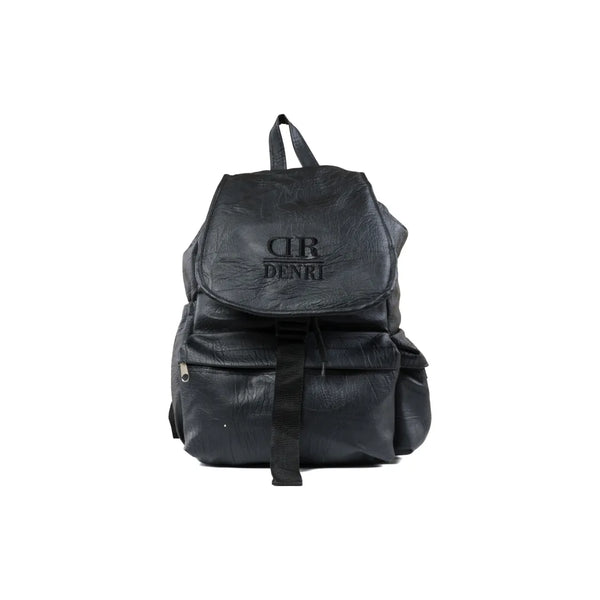
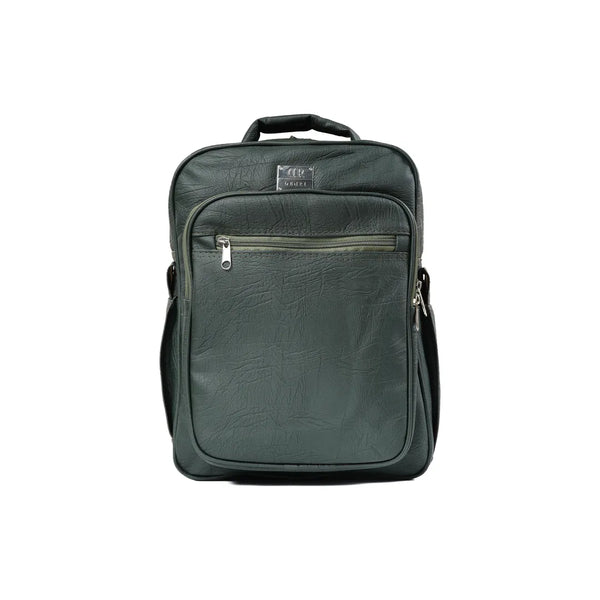
For many people, that responsibility includes items that must remain close at hand. Documents, a laptop, chargers, notebooks, personal essentials. The Denri Prime Backpack fits into this rhythm naturally, designed to hold work items securely without feeling heavy or oversized. It supports long days that begin early and stretch into evening without asking for adjustment or compromise.
What matters most is not capacity alone, but balance. When weight is distributed well and compartments make sense, the act of carrying becomes less noticeable. This ease allows focus to remain on tasks rather than logistics. Over time, this subtle support shapes how responsibility is experienced, making it feel manageable rather than overwhelming.
The bag itself fades into the background, doing its work quietly while life unfolds around it.
Objects That Learn Your Routine
Some objects seem to learn their owner’s habits. They settle into patterns of use, anticipating needs through familiarity. A bag that travels the same route each day begins to reflect that repetition, not through wear alone, but through the way it is packed and handled.
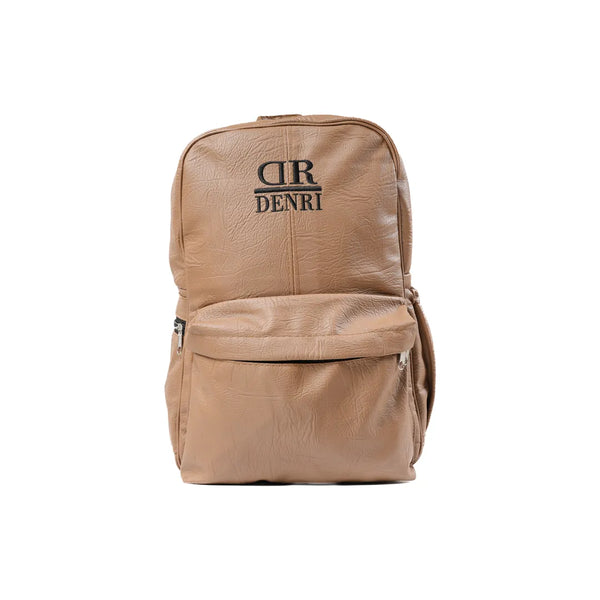
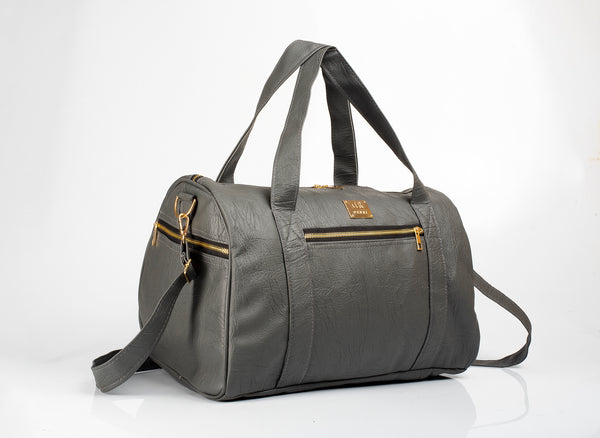
A backpack like the Denri Bello Backpack often becomes such an object. Its structure accommodates daily essentials while remaining flexible enough for unexpected additions. A book picked up on the way home. A folder handed over after a meeting. A light jacket folded in as the weather shifts. The bag adapts without complaint.
This adaptability builds trust. It removes the need to constantly reassess whether what you are carrying will be enough. Over time, this trust reduces mental load. Fewer decisions are required. Preparation becomes instinctive.
In this way, everyday objects quietly support mental clarity, offering stability through repetition rather than novelty.
When Personal and Professional Intertwine
Modern life rarely separates personal and professional roles cleanly. Work travels home. Personal errands fit into lunch breaks. Days are layered rather than segmented, requiring tools that can move easily between contexts.
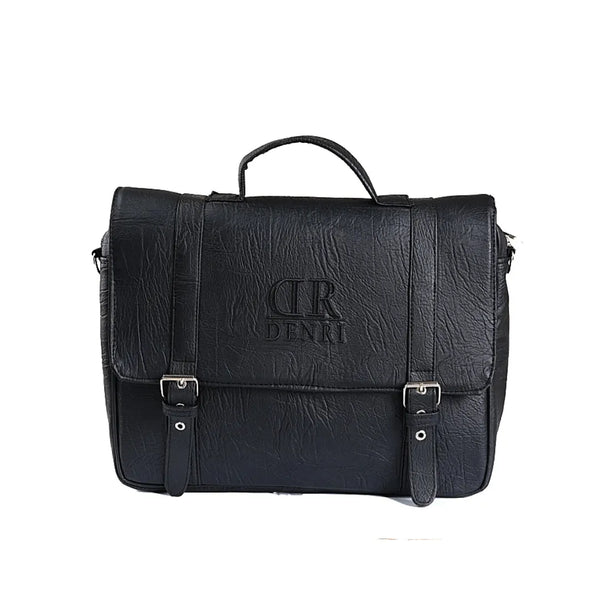
The Denri Safiri Backpack responds to this blending with restraint. It is structured enough for professional environments, yet relaxed enough to feel appropriate outside them. This versatility allows people to move through varied settings without feeling out of place or overprepared.
What is carried inside often reflects this duality. Work materials sit beside personal items. Technology shares space with everyday necessities. The bag becomes a neutral ground where different parts of life coexist without conflict.
This coexistence matters. It allows people to remain present rather than feeling pulled between roles. Carrying something that accommodates this reality without drawing attention to it creates a sense of cohesion within busy days.
The Quiet Utility of Smaller Carries
Not every day demands capacity. Some days ask for simplicity. A phone. Keys. A wallet. Perhaps a small notebook. On these days, carrying less becomes an intentional choice rather than a limitation.
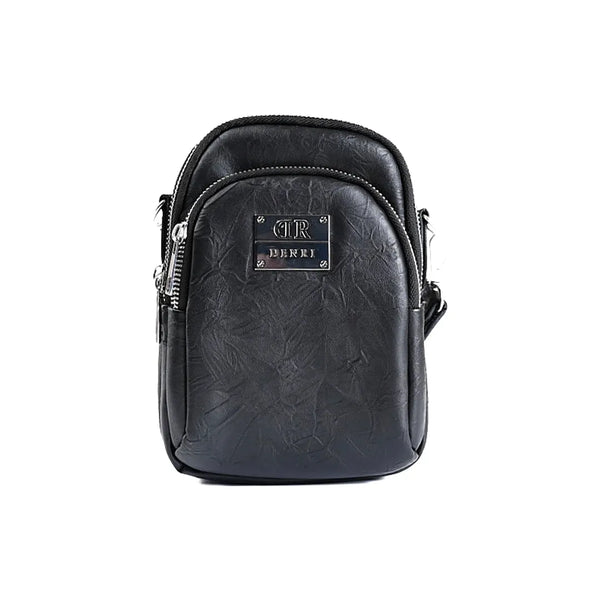
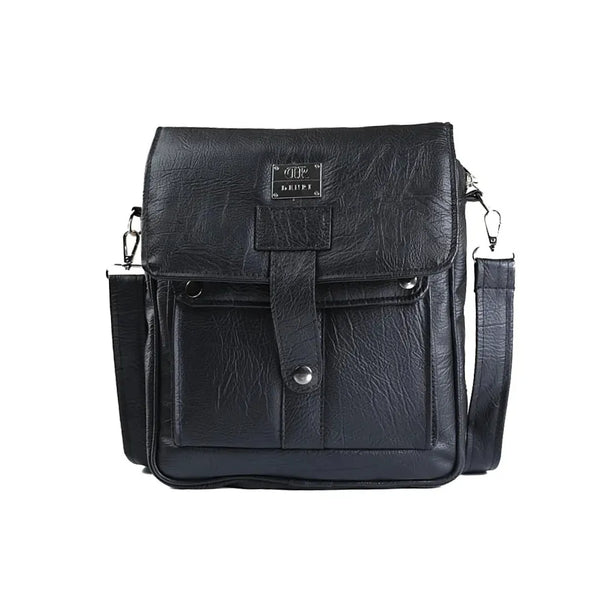
A sling like the Denri Montana Sling Bag supports this pared-back approach. Worn close to the body, it keeps essentials accessible while freeing hands and movement. It suits days built around errands, short meetings, or casual outings where mobility matters more than storage.
This kind of carry encourages presence. Without the weight of unnecessary items, movement feels lighter. Attention stays focused on surroundings rather than possessions. The simplicity itself becomes restorative.
In choosing smaller carries, people often rediscover how little they truly need to move comfortably through a day.
Evenings That Ask for Less
As daylight fades, priorities shift. The urgency of the day gives way to routines built around rest, connection, and reflection. Bags are set down, opened, emptied. Their contents tell a quiet story of where the day has been and what it required.
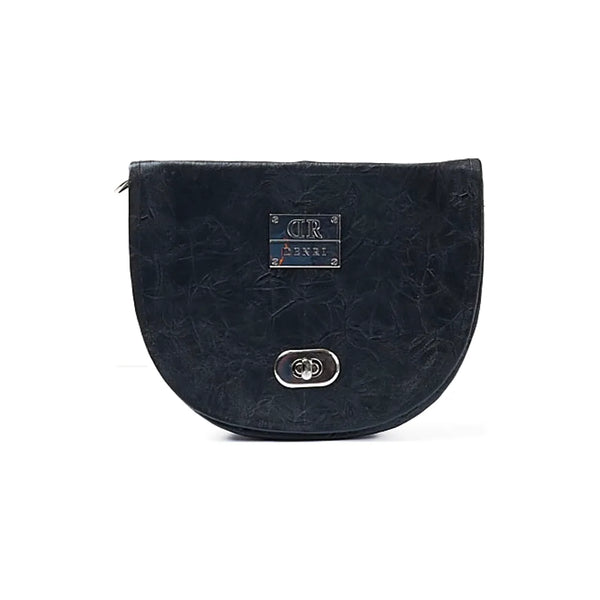
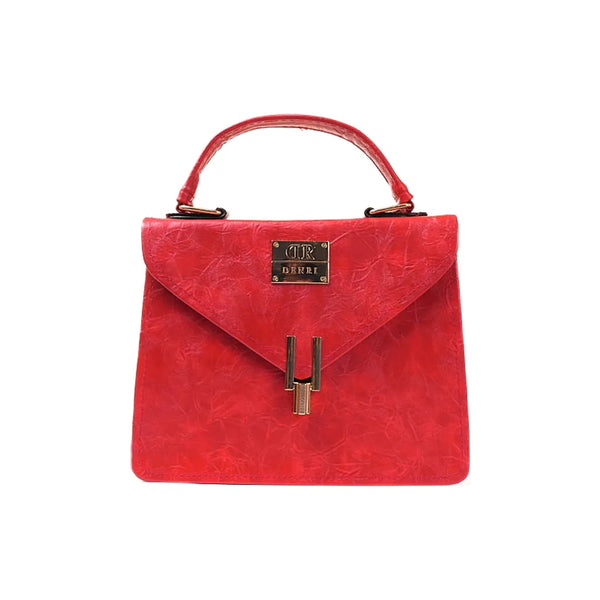
Handbags like the Denri Sierra Handbag transition seamlessly into these slower hours. They carry personal items without excess, supporting evenings that may include social visits, family time, or solitary errands. Their structure provides order without imposing formality.
In these moments, carrying becomes almost ceremonial. Items are returned to their places. Preparation for tomorrow begins without haste. The act of setting a bag down signals closure, allowing the mind to rest.
These rituals, repeated daily, create a sense of continuity that grounds even the busiest schedules.
How Familiarity Shapes Confidence
Confidence often grows from familiarity rather than achievement. Knowing what to expect from the objects that support daily life reduces uncertainty. This reliability creates space for self-assurance to develop quietly.
A bag that has accompanied countless days becomes an extension of routine. Its pockets are known. Its weight is familiar. Reaching inside becomes automatic. This ease translates into confidence in movement, posture, and presence.
The Denri Double Press Backpack, with its generous capacity and considered structure, often supports periods of increased demand. Longer days. Heavier loads. Multiple commitments. It meets these demands without altering how it feels to carry, allowing confidence to remain steady even as pressure increases.
Through this consistency, people learn that preparedness does not have to feel burdensome.
Wear That Reflects Living
Signs of use are often mistaken for deterioration. In reality, they reflect engagement. A bag that shows subtle marks of daily life tells a story of consistency rather than neglect. Leather softens with time while straps adjust to shoulders. Compartments settle into familiar patterns. These changes are not flaws, but adaptations that reflect how an object has been lived with.
Over time, the relationship between person and carry deepens. What once felt new becomes trusted. What once required adjustment becomes intuitive. This evolution mirrors personal growth, shaped not by dramatic change but by steady repetition. In this way, everyday objects quietly witness lives unfolding, absorbing the rhythms of ordinary days.
Choosing What Deserves Space
Carrying well requires discernment. Not everything deserves space. Over time, people learn what they actually use and what they simply carry out of habit. This awareness leads to refinement. Items are removed. Load lightens. Carry becomes intentional rather than reactive. The bag remains the same, but its contents reflect greater clarity.
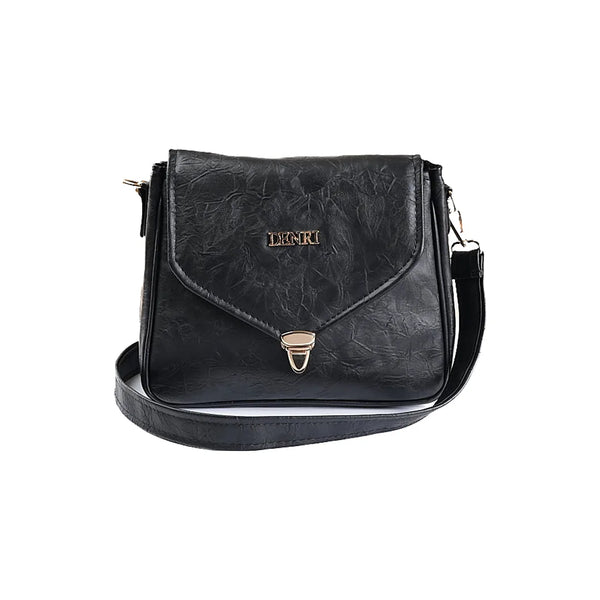
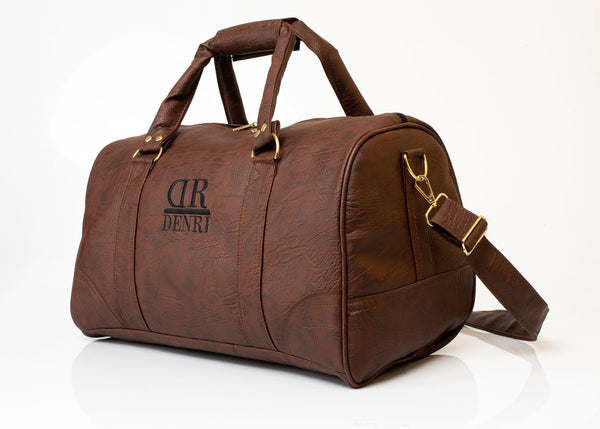
A sling, a backpack, a handbag each support this process differently. The choice of carry becomes a reflection of the day ahead rather than a default. Through these choices, people align their tools with their lives rather than forcing their lives to adapt to what they carry.
What Remains After Routine Fades
Days blur together more often than they stand out. Yet within this repetition, meaning accumulates quietly. What supports these days shapes how they are experienced. A bag does not define a life, but it participates in it. It carries the practical details that make presence possible. It holds what is needed so attention can remain elsewhere.
When the day ends and everything is set down, what remains is not the bag itself, but the ease it allowed. The moments it supported without interruption. The steadiness it offered through routine.
In learning what deserves space and what can be left behind, people begin to carry not just objects, but intention. And in that intention, everyday life finds its quiet balance.
You may also like
View All
Beyond the Bag: How Denri Connects Customer Service with Better Bag Choices

The Wins, The Lessons, The Year, and the Bags That Carried It All
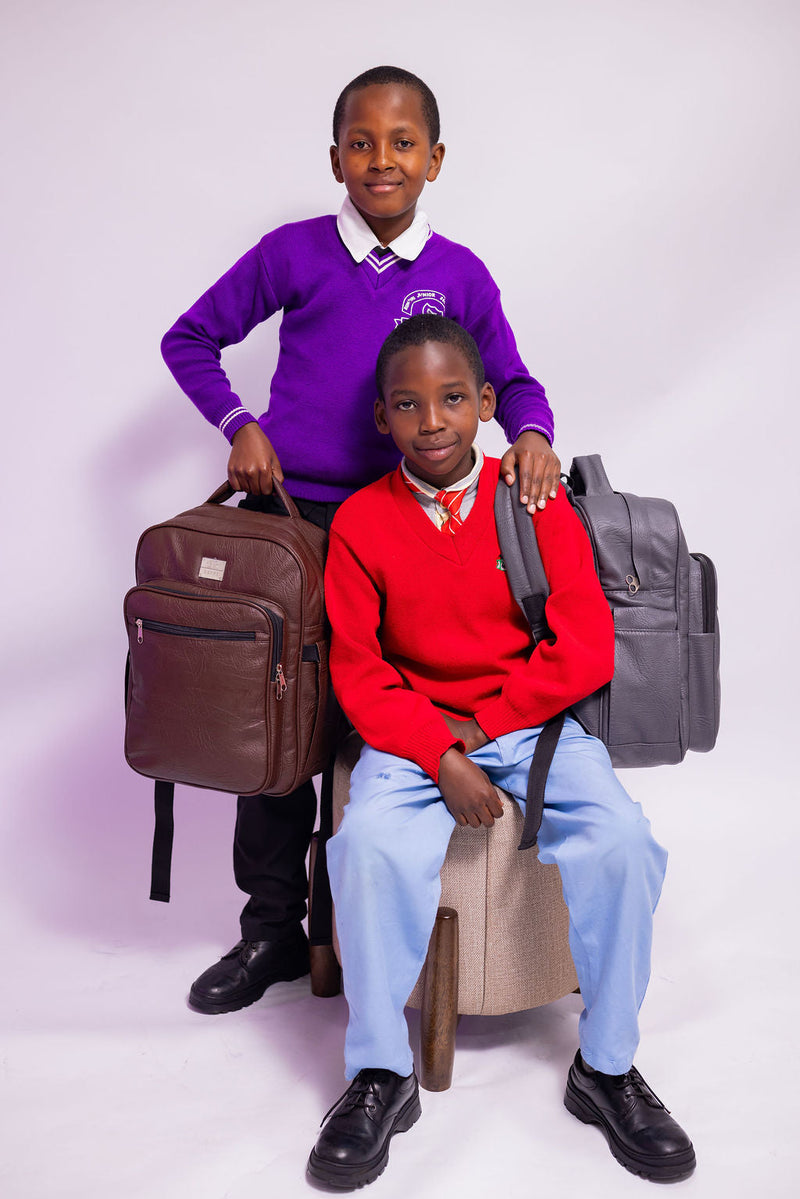
Choosing School Bags for Children: How Denri Designs Around What They Carry
Finding the best school bag comes down to understanding what your child carries each day. Learn how to compare capacity, compartment layout, padded straps, and water resistance to select a Denri school bag that fits your child’s actual routine.