
What Your Bag Actually Needs to Carry: A More Useful Way to Choose a Denri Bag
Choosing a bag is often treated as a question of appearance first, with size, structure and everyday use considered only after something catches the eye. That approach can work when a bag is intended for one simple purpose, but it becomes less useful when the same person moves between work, travel, family responsibilities and personal commitments. The better starting point is not asking which bag looks best in isolation, but asking what will actually need to go inside it on an ordinary day. A laptop creates one set of requirements, while clothing for a short journey creates another, and the essentials needed for a few hours away from home create something different again. Kenya's existing Denri range reflects this difference through distinct categories rather than treating every form of carrying as interchangeable. The question therefore becomes practical before it becomes aesthetic: what do you need your bag to carry, how often do you need to reach those things, and what happens when your day changes?
That distinction matters because capacity alone does not solve every carrying problem. A large bag can still be inconvenient when smaller essentials disappear inside it, while a compact option can become frustrating when it is repeatedly asked to carry things it was never selected for. Structure matters because documents, electronics, clothing and personal essentials do not all behave in the same way once placed inside a bag. Access matters because the item needed at the beginning of a journey is not always the item needed during it. The category you choose should therefore follow the reality of your load rather than a vague idea that one bag must somehow suit every possible occasion. Looking at what you carry before choosing what carries it is a more useful way to understand the differences within a collection.
Start With the Load, Not the Label
The first useful question is to separate what you carry every day from what you carry only when a particular responsibility appears. Someone whose day consistently includes work documents may need a different structure from someone who mainly carries a phone, wallet and a few personal items. A person preparing for travel has another set of decisions because clothing and trip essentials change both the volume and the way a bag is packed. This is why names such as handbag, backpack, briefcase and travel bag are helpful starting points but should not be treated as complete answers. The label identifies a category, while the actual load explains whether that category makes sense for you. Choosing becomes easier when the bag is considered as a response to a real list of belongings rather than as an abstract accessory.
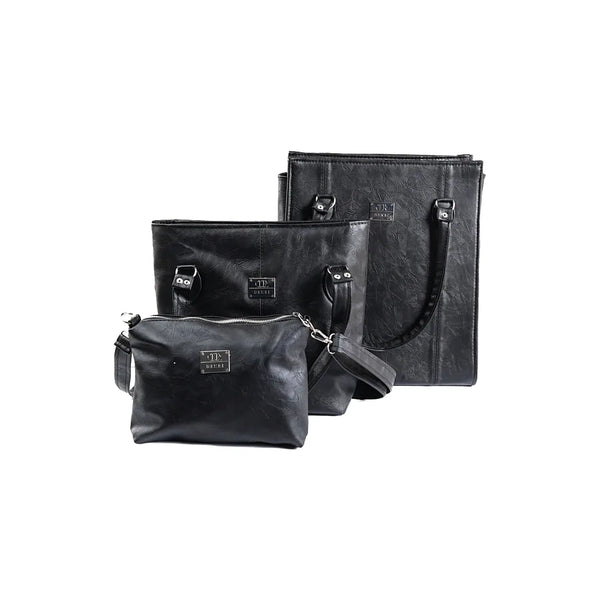
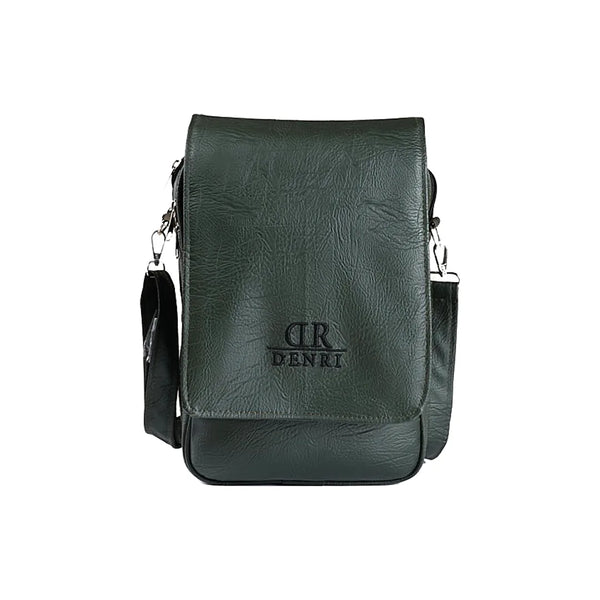
For a structured work load, the Denri Briefcase belongs to a different carrying conversation from the Fayola Messenger Bag, even though both can be considered within professional use. The important question is not which category is universally better, because different working routines create different needs for access, organisation and the way a bag is carried. The same principle applies when comparing a handbag with a travel bag, since the contents expected during a normal day may be completely different from those required for an overnight or longer journey. Before looking at colour or styling, it is worth placing the likely contents into groups and asking which items need protection, which need quick access and which simply need enough space. This turns bag selection into a practical decision rather than a guess based entirely on appearance. Once the load is clear, the collection can be explored with a much stronger reason for choosing one form over another.
When Capacity Is the Real Question
Capacity is easy to misunderstand because bigger is not automatically more useful. A bag that has room for more than you usually carry may become unnecessarily bulky, while one selected only for its compact appearance may force important items to be left behind. The useful measure is not maximum space in theory but whether the available space corresponds with the actual volume of your routine. Travel creates the clearest example because clothing, toiletries and other journey-specific belongings quickly change what a person needs to pack. A short trip and a longer journey may both involve travel, but they do not necessarily require the same approach to capacity. This is where choosing according to the purpose of the journey becomes more meaningful than simply choosing the largest option available.
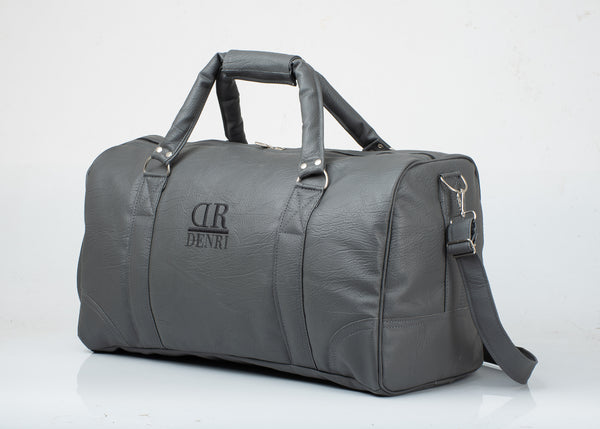
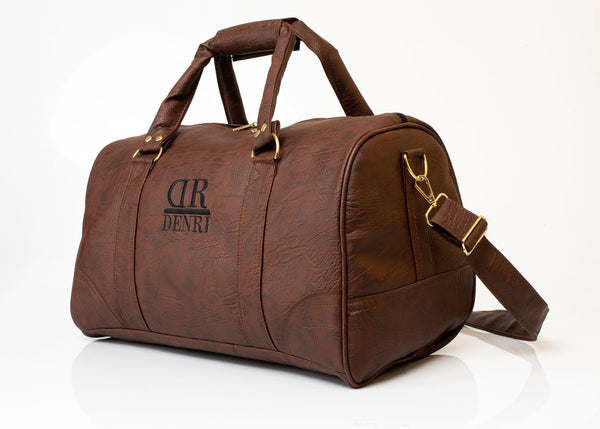
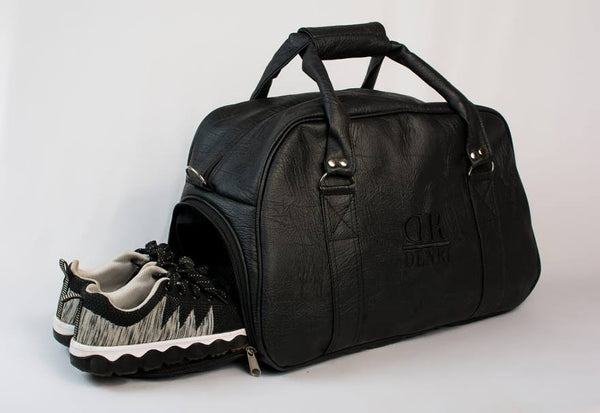
The Pocket Travel and Modern Travel illustrate why travel itself should not be treated as one single carrying requirement. Different journeys produce different lists, and those lists should guide the type of space being considered. The Fabela Travel Bag belongs to the same broad category while presenting another option within the travel range. What matters is that a travel bag should be selected after thinking about the duration and purpose of the journey, rather than assuming every trip demands the same amount of capacity. This also prevents the common problem of choosing a bag for an imagined future use that rarely happens instead of the routine it will actually serve. Capacity becomes useful when it is connected to reality, because the right amount of space is easier to manage than space that exists without a clear purpose.
Access Changes the Way a Bag Works
A bag can contain everything you need and still become inconvenient if reaching those items requires unnecessary searching. This is why organisation should be understood as a question of access rather than simply the number of things a bag can hold. Items used repeatedly during the day benefit from being easy to locate, while belongings that remain packed until later do not need the same level of immediate accessibility. The difference may sound small, but it changes how a bag performs once it becomes part of a repeated routine. Someone carrying work materials may need to think about access differently from someone travelling, while a parent may have another set of belongings that must remain identifiable within a larger load. Good selection therefore involves thinking not only about what goes inside but also about the order in which those things are likely to be needed.
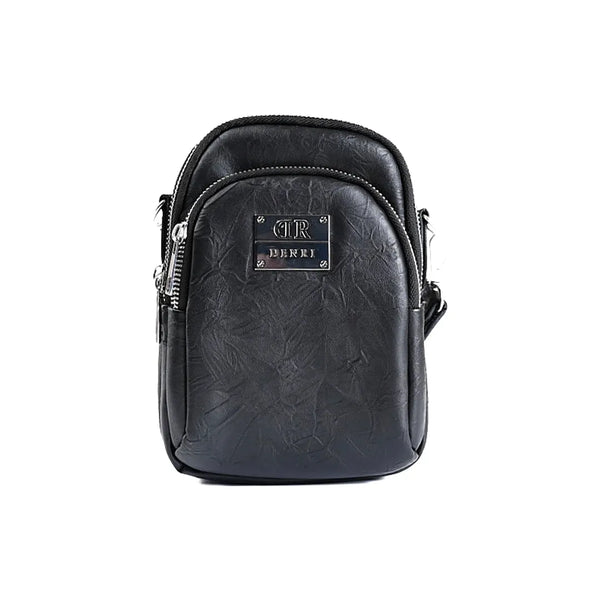
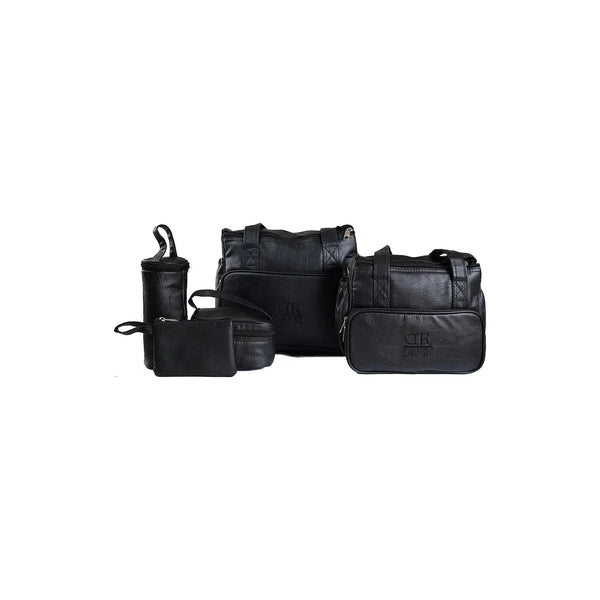
The New Diaper Bag represents a carrying situation where organisation becomes part of managing a specific set of everyday responsibilities. A more compact personal option such as the Ella Sling Bag creates a very different relationship with access because the expected load is different from the beginning. The Mini Man Bag similarly belongs to a category where the purpose is not to carry everything, but to provide a designated place for a more limited set of essentials. These products should not be judged against one another as though they are competing to solve exactly the same problem. Their usefulness begins with recognising that different loads require different forms of access. That is why the best question is often not how much a bag can hold, but whether the things you carry most often can be reached in a way that suits your routine.
A Category Should Match the Job It Is Being Asked to Do
The growing number of bag categories can sometimes make choosing feel more complicated, but the categories exist because carrying itself is not one activity. A backpack distributes a load differently from a handbag, while a messenger bag creates another way of carrying and accessing belongings. A tote has its own relationship with capacity, just as a travel bag is built around a different expectation of what may need to go inside. These differences do not mean one category is more sophisticated than another. They mean that a useful choice begins with understanding the job the bag will actually perform. When a category is selected for the right reason, style can then become part of refining the choice rather than compensating for a mismatch between the product and the routine.
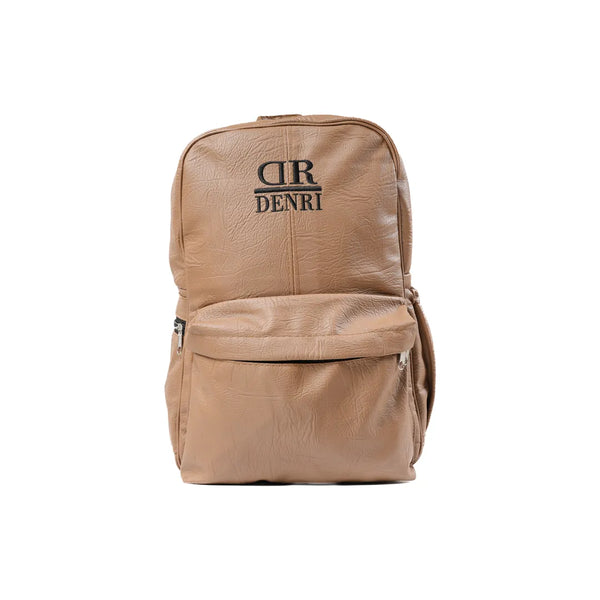
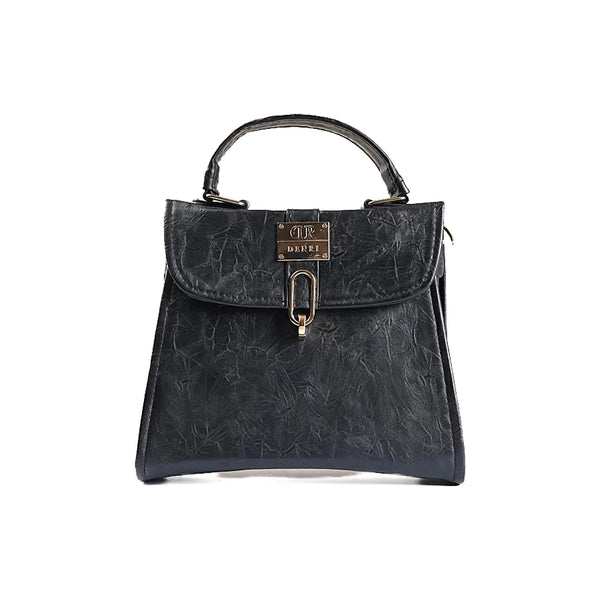
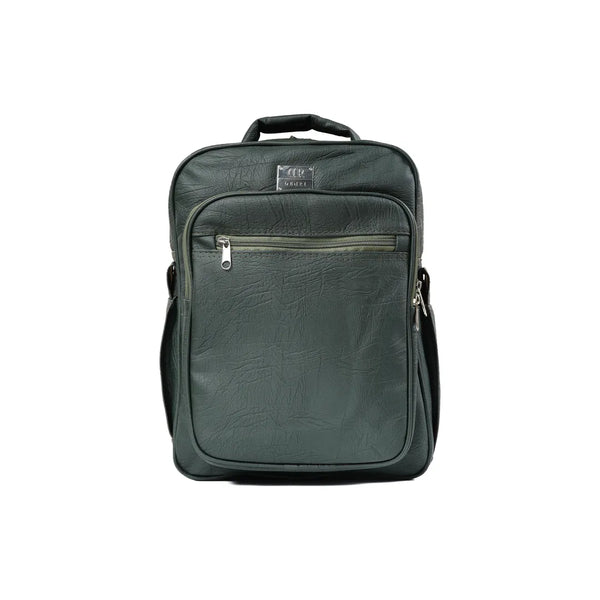
The Cairo Backpack and Kanji Tote Bag belong to different forms of carrying and should therefore be considered through different questions about movement and load. The Trecento adds another product to the range without requiring the assumption that one design must replace every other option. A handbag such as the Roza Handbag enters yet another use context because the expected contents and carrying habits may differ from those associated with a backpack or travel bag. This is where a collection becomes more useful than a single universal answer, because people can begin with their actual needs and narrow the options from there. The purpose of comparison is not to declare one product the winner, but to understand what changes when the load, movement and access requirements change. Choosing well becomes less about following a general rule and more about matching a real routine to the product designed to support it.
The Best Choice Is Usually the One That Solves the Actual Problem
The most useful bag is not necessarily the largest, smallest or most visually striking option in a collection. It is the one selected with a clear understanding of the problem it needs to solve. That problem may be carrying work materials, preparing for travel, keeping personal essentials together or managing a more specialised daily responsibility. Once that purpose is defined, decisions about capacity, access and category become easier to make because each can be measured against something real. This approach also makes it easier to avoid buying according to assumptions about a lifestyle you may not actually live. A bag should not need to prove that it can do everything when its real value comes from doing its intended job well.
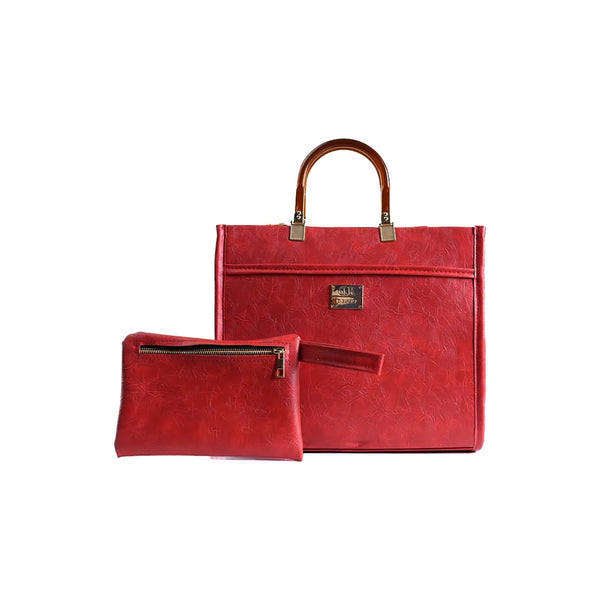
The Zuri Handbag and Aurora Handbag can therefore be considered within personal handbag needs rather than being forced into the same decision as a travel or work product. The Elyse provides another real product within that broader selection, giving the collection more than one answer to a personal carrying requirement. The strongest way to choose between them is to return to the original question about what must actually be carried and how the bag will fit into the routine in which it will be used. That question is more valuable than a generic claim that one type of bag is suitable for everyone. Once people begin with the load, consider access, identify the right amount of capacity and match the category to the job, choosing becomes a process of understanding rather than simply browsing. In the end, that is what makes design genuinely useful: not the promise that one object can solve every problem, but the clarity to know which object belongs to the problem you actually have.